Facial Lymphatic Drainage: What It Is, What It Feels Like, and How It Differs From the Body Thing
November 6, 2026
5 Minutes
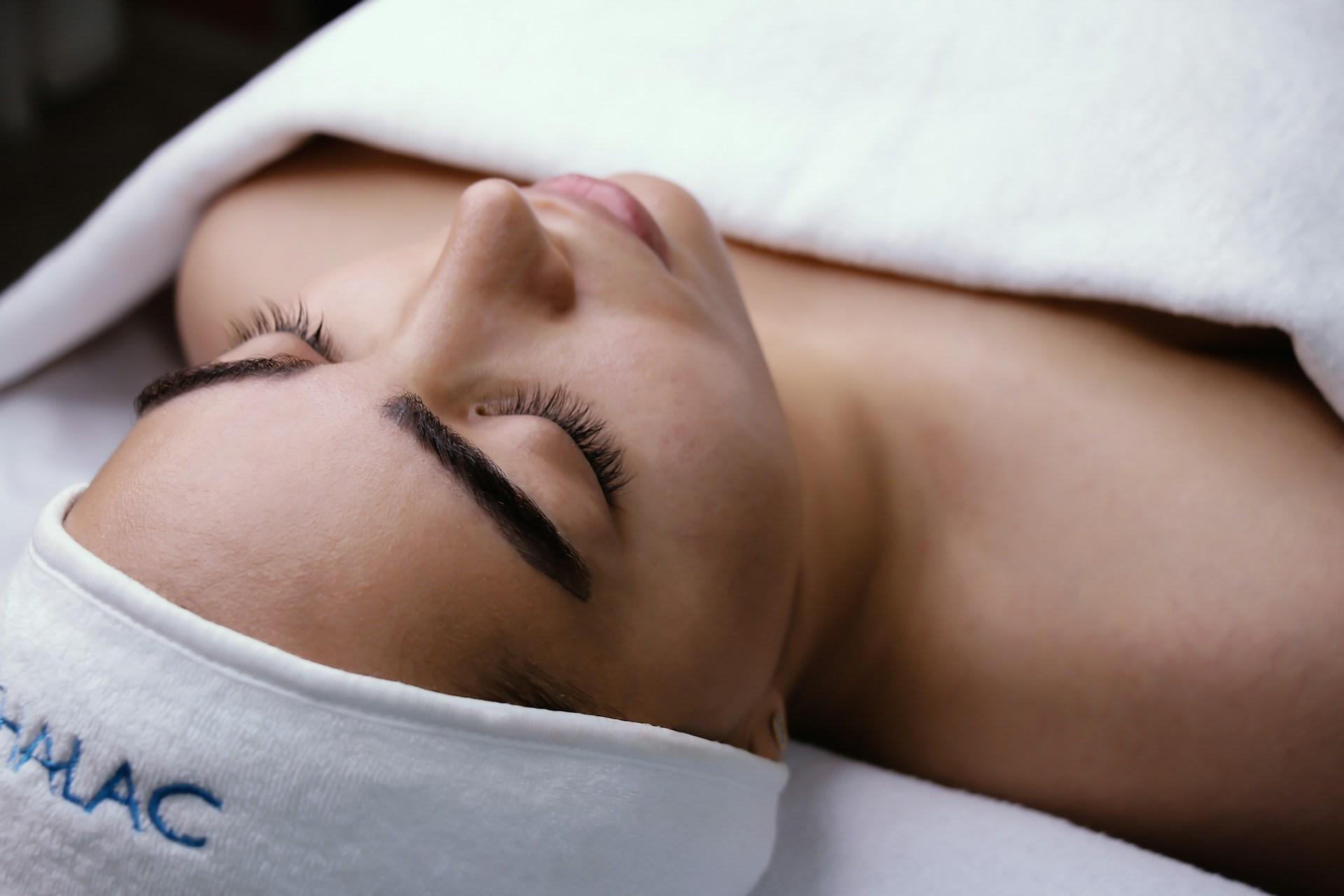
If you have seen "facial lymphatic drainage" on a menu and want to know what you are booking: it is a specific technique. Light, rhythmic strokes over the face, always travelling in the same direction, toward the lymph nodes along your jawline and the side of your neck. That direction is the whole point: the face drains into those nodes, moving from the jaw down toward the collarbone, and the strokes are built to follow that path. Not a scrub, not deep pressure, not a relaxing facial with a different name. It is the facial half of lymphatic drainage, and it is a different treatment from the body version that shares its two words.
What does the session feel like?
You arrive with a clean, makeup-free face, and you lie on the massage table with your face up. The therapist takes a few seconds to look at your face first, checking that it really is clean and makeup-free. Then two quiet questions: anything you want more time spent on, the eyes, the temples, under the jaw? Anything recent you would rather they leave alone?
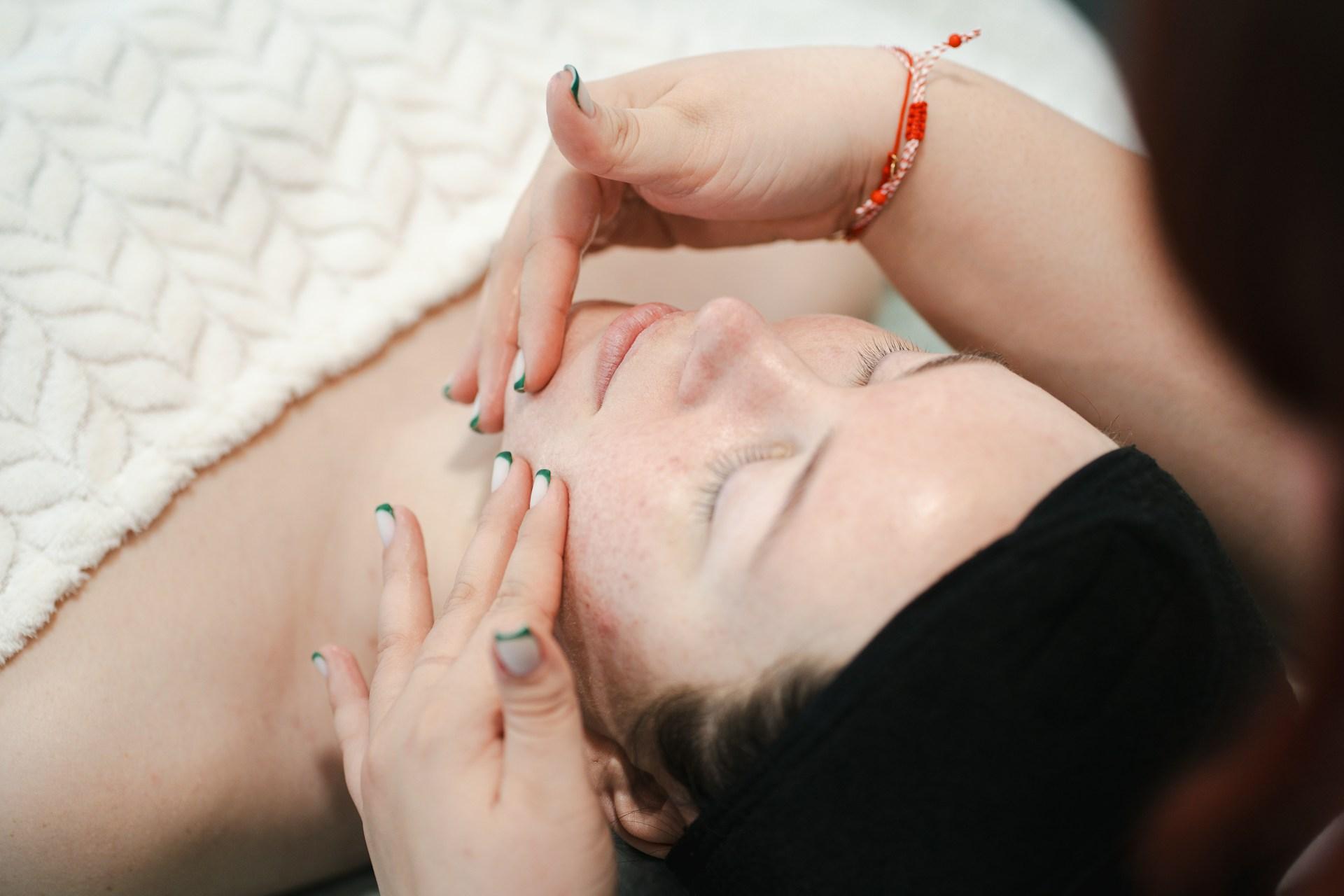
Then the hands. Nothing is worked in. Bare hands over bare skin, and they work the whole time with fingertips and the very lightest part of the palm, pressure close to the surface of the skin. A facial session runs around 30 to 45 minutes.
The touch never bites. If you have had a body massage before, expect this to feel almost like nothing is happening, and that is the technique. The pressure is lighter than most people expect, closer to someone resting their hand on your head than to anything you would call massage. Long, slow strokes on the cheekbones, small circles around the eyes, gentle sweeps up the temples and along the jaw, all of it moving the same way, down toward the neck where the nodes sit.
Coming up from the table, some people look a little flushed, some look a little less puffy, and no one looks bruised. There is no downtime: you can walk straight out and go about your day. Drinking water afterwards is a good habit, and if you have a heavy workout later that day, most people keep it light.
How is it different from body lymphatic drainage?
The same two words cover two treatments, and this is where the menu confusion comes from.
Body lymphatic drainage is the long one. You lie under sheets while the therapist works a circuit across the whole body, usually feet to head, long flowing strokes over the legs, torso and arms, until the circuit is done. It is the treatment described in our article on lymphatic drainage massage, where the therapist covers a full body and the marketing tends to talk about flow and detox.
Facial lymphatic drainage is the short one: just you and your face, fingertips and light touch moving down toward the neck for half an hour or forty-five minutes. Same two words, different treatment. If a menu says just "lymphatic drainage" and you meant the face, ask which one.
Who books it, and who should ask a clinician first?
Most often it is people who want a quick, no-downtime reset: after a long flight, before a photograph or an event, or as a facial treatment on its own. Salt-heavy meals and alcohol land in the same story, the kind of day that leaves a face looking swollen before the weekend. Some people book it in the weeks around facial treatments like injectables or deep facial peels; ask both the therapist and whoever treats your skin what makes sense there.
But a lot of people type the phrase because their face looks swollen, and for them the answer is not a booking. Recent facial or dental work, a skin condition on the face, problems in the neck, or swelling that is new, or only on one side of the face: those go to a clinician first, not to a spa table. Facial swelling has causes a spa cannot see, dental infection among them, and a doctor or dentist is the person to ask. If any of that sounds like you, our article on when not to have a massage covers the wider list. This is general information, not medical advice. If you are unsure, ask your doctor.
Will it get my face less puffy?
A few minutes after a session, people often look a little less puffy; in online discussions of the treatment, that is one of the effects people most often describe, and they describe it fading as the day goes on. But the serious swelling the technique was built for, lymphedema, the condition it is used most for, has been studied properly, and the trials came back no. Nobody has tested the face version at all. So take the visible de-puff as what people experience, real for them, not measured.
A facial lymphatic drainage is a facial treatment: something to enjoy, not something that will deal with the puffiness for good. If your puffiness comes and goes with sleep, salt, or travel, one is a reasonable way to look rested before a photo. If it is steady, or you cannot place where it comes from, a doctor is the right first stop, not a spa menu.
The other line that usually travels with the phrase: that the session releases toxins, detoxifying the body. That one is false. The body handles its own waste without a massage helping along, and our article on massage myths goes through it properly. What a facial session does do is sit on your face, moving fluid gently toward the neck for half an hour or forty-five minutes, and leave you looking a little rested. That is enough of a reason.
What to say when you book
Ask for "facial lymphatic drainage" and check that the person treating you works on faces, not just bodies. Come with your face clean and makeup-free, and take five minutes beforehand if you want. If you want the attention on a specific area, the eyes, the temples, under the jawline, say so; it is a facial treatment and it is shaped to your face. Afterward, drink water and take the rest of the day at a normal pace.
If you were actually after the full-body version, the word you wanted is the one on our lymphatic drainage massage article. One is the long circuit under the sheets; the other is bare hands and bare skin on your face for half an hour. That is the difference, and it is worth a question before you book either.
Sharing Services
Pick the one you like.

Researched & Written by afinika
Welleta.com
Health educator for over 13 years.
Services
- massage