Lymphatic Drainage Massage: Boost Immunity & Radiant Skin
Published on
Updated on
11 Minutes
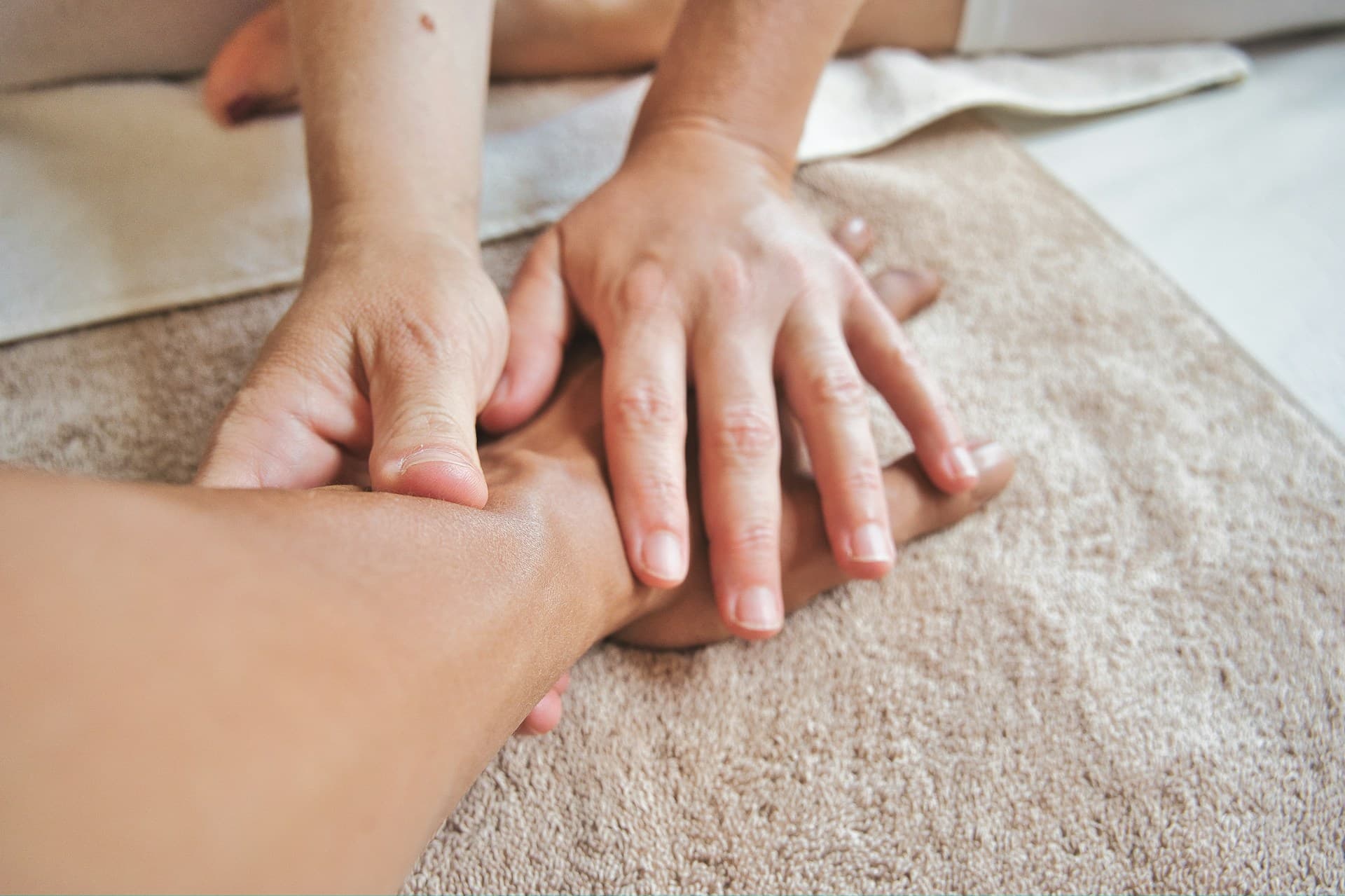
You lie down on a padded table, a warm sheet over you, and the first thing that touches your skin barely registers as a touch at all. A feather, almost. And that is the whole idea: lymphatic drainage massage is the lightest massage you can book. It works on fluid, not on muscle.
It really does take the puff off. A face swollen overnight, an ankle that has grown during the day, a stomach that feels two sizes too tight after lunch: gentle directional strokes move that fluid along, and within a session many people look visibly less puffy. That is the "radiant skin" half of the promise, and it holds, for a few hours, not forever.
The "boost immunity" half needs a straight answer. Your lymphatic system is part of your immune system, so a relaxed body whose fluid moves easily is better set up to do that work. But lymphatic drainage is not a vaccine, and it will not stop a cold. It supports the system the modest way a calm body does: keep the fluid moving, and the system does its own quiet work.
What Lymphatic Drainage Massage Is
Your body runs two sets of pipes. The blood vessels have the heart to pump through them. The lymphatic system has no pump at all: a network of thin vessels, filters called lymph nodes, and a few organs (the spleen is the biggest). Lymph, the clear fluid in those vessels, carries immune cells, proteins and fats.
Because there is no pump, lymph moves when your body moves. Walking flexes the muscles around the vessels. Breathing pushes the chest cavity. Gentle touch on the surface nudges it along. Without movement, it slows and pools.
That pooling is what you can see and feel. Fluid gathers in your ankles by evening, under your eyes by morning, around your stomach after a big meal. It is the same mechanism as mild water retention, just wearing your face instead of your feet.
Lymphatic drainage massage, often called LDM, is touch aimed at exactly this: gentle, directional strokes that move pooled fluid along its routes and out toward the filters where it can be processed. It goes back to a therapist named Vodder, who first described it in Paris in the 1930s, and it is still taught today in two named methods: Vodder's original and the Foldi method, a later German development built on it. That history matters, because it explains why you see it offered in clinics and on spa menus at the same time.
How It Works: The Feather Touch
Every other massage works on muscle. Deep tissue works the deep muscle layers with firm pressure and slow strokes. Lymphatic drainage does the opposite. The pressure is light enough that the therapist's fingertips barely indent the skin. The skin stretches upward a few millimetres, and the strokes travel in one direction only, toward the nearest group of lymph nodes: the neck, the armpits, the groin.
There is a reason this is done right. Deep pressure here would flatten the vessels instead of filling them with a gentle current, like crushing a straw against a pipe instead of tilting the bottle. The whole craft is direction, rhythm and near-zero force.
If you have read the words "detox" next to this massage before, it helps to know why the term shows up: the early tradition was about real, stubborn swelling, and the word for "clearing things away" got carried over into the beauty world. What happens under your hands is movement, not scrubbing something out of you.
What It Feels Like
It is not painful. That is the answer to the question everyone asks, and it is also the weirdest part of the session for many people. You lie there and you feel, well, not much. A soft brush. A warm towel. Sometimes a small tingling, like the feeling you get when you move your hand slowly across a window covered in frost.
If a lymphatic session ever hurts, it is being done too hard, and you are allowed to say so. Pressure that you can feel as pressure has missed the technique entirely.
Most people doze. The rhythm is slow and shallow, and the body relaxes deeply when it knows no one is about to press on anything.
What It Actually Does
The puffiness: yes, and honestly
This is the clearest thing the session does, and the thing most people book it for. The fluid pooled around your eyes, jawline and ankles moves along during the session and drains onward through the day. You can see the change in a mirror: cheeks a touch more sculpted, under-eyes a shade less shadowed, the whole face less bloated. People say they "feel lighter," and the feeling matches the physics: fluid is weight.
If it is the face you came for, the facial version of the treatment has its own page, because the routes, the room and the feel are all different.
It does not last forever. The effect fades as your body settles back into its usual rhythm, which is why people who want the effect on a regular basis go regularly. Think of it as tide management, not as your body fixed.
The glow that comes with it is circulation and relaxation: warmed skin, a face that has just had gentle movement and warmth, and the person in the mirror who feels less puffy. That is all the glow is, and it is a genuinely nice glow to catch yourself in.
The detox claim: no flush
Here is the sentence you will want to file away. A massage does not detox your body. There is no waste sitting in your tissues waiting for a therapist's hands. Your liver and kidneys are the waste management, and they have been on the job since before massage existed. We went through the whole myth on its own page.
So what do the thirst and the slightly more urination people notice afterwards actually mean? That they drank more water than usual after lying in a warm quiet room, and that the body moves fluid when you move it gently. Pleasant, real, and not a toxin report. If the word detox made you curious about booking, the puffiness will reward you more than the word promises.
The immunity question: the honest middle
Your immune system lives partly in your lymph. The nodes are where lymph gathers, and the fluid carries the immune cells between tissues. A body that moves this fluid freely is a body doing its immune housekeeping properly, and a calm, moving body is easier to housekeep.
Where massage fits in: it moves fluid and it relaxes you, and both of those are things a rested system appreciates. But the research on massage and immunity itself is thin, and the studies that exist were done in sick people. A randomized trial in women with breast cancer on radiation therapy found that one light-pressure massage session softened the dip in natural-killer cell activity that the treatment usually causes. A study of men, most of them living with HIV, found daily massage for a month raised their natural-killer cell numbers and lowered stress hormones. Both studies are small and preliminary, and neither tells us anything about healthy people warding off colds. No one has shown that a session wards off illness, and nothing here should be read that way.
Where the link is clearest is chronic swelling. When fluid piles up persistently in a limb, the skin over it gets stressed and breaks down, and that is where infection gets a foothold. Managing that swelling is the part of this massage with the straightest medical logic: keep fluid moving, keep skin intact, fewer infections of stressed skin. That is what "immune support" actually looks like.
If you are catching a cold right now: drink water, sleep, and let this be a rest hour later. It is a nice rest hour.
Relaxation: freely, no study required
Everything else the body feels after an hour of nothing being pressed: warm, slow, moving, asleep or nearly so. Massage relaxes. This one does it especially, because it asks nothing of you but lying there.
If you have never had a massage, this is a gentle, safe way in: no digging, no deep work, and if you find you like it, it opens the door to everything else on the menu.
Who It's Really For (and Who Should Hold Off)
For most people, this is a pleasant, low-stakes way to feel less puffy and deeply rested. The puffiness seeker, the post-meal bloated reader, the person who loves a quiet session: you are its natural audience.
If your swelling has a cause, the safety line comes before any touch. Ask yourself one question: is the swelling new, one-sided, painful, or persistent? If your ankle has been swollen for weeks, if one leg or one arm is noticeably larger than the other, if the swelling came on after a surgery or cancer treatment, that is a conversation for a doctor before any massage, at any pressure, of any kind. Lymphedema, the condition where swelling persists after surgery or radiotherapy, is exactly that case. In people with it, manual drainage works as part of a bigger package that includes compression, skin care and exercise, and on its own the drainage adds little. A 2026 review of massage in people with cancer, or in treatment for it, found no evidence of extra harm, but the studies were small and the certainty very low. A therapist will work alongside your treatment team, never instead of them, and clearance comes first.
The standard list of "check first" applies here too: an active infection, recent or suspected blood clots, heart or kidney failure, acute inflammation, and anything your body is fighting right now. For the full checklist on when not to book, it lives on its own page.
This is general information, not medical advice. If you are unsure, ask your doctor.
What a Session Looks Like
The room is quiet and warm. When you arrive, expect a few minutes on the floor before the table: how you feel, anything aching, any history of swelling, surgery or skin problems. This is not bureaucracy; for a lymphatic therapist it is the step that keeps the session safe, and a good one asks before laying you down, not after.
You undress to as much or as little as you are comfortable with; the therapist works over clothing or a sheet if you prefer, and nothing here involves digging under anything anyway.
Then the table: padded, with a face cradle, a sheet over everything except the part being worked on. Most sessions last about 45 to 60 minutes.
The first few minutes are quiet. The strokes start almost as a formality, warming you up, letting the room go still, while you settle and notice where your fluid sits. Then the real work begins: slow, rhythmic, feather-light, following the routes toward the nodes in the neck, armpits and groin. Limbs are worked from the far end back toward the body, so fluid has somewhere to go. The therapist changes angle and position often, and most people drift toward half-asleep well before the hour is up.
Afterwards: dressed, relaxed, warm, often thirsty. Drink something, take a walk if you can, and let the effect play out over the next few hours. Tipping customs vary by clinic and by country; whoever takes your booking knows what is normal in their room.
A Professional, or a Few Minutes at Home
A professional who is trained in manual lymphatic drainage knows where your nodes sit, works the routes in the right order, and adjusts to what they see. That skill is the difference between a restful hour and one that actually moves things. The named methods, Vodder and Foldi, are taught in proper courses, not read off a guide.
Between sessions, the maintenance is mostly movement. Walking flexes the muscles around your vessels and pumps fluid on their own; elevating a swollen ankle when you lie down does the rest of the evening's work. Drink a normal amount of water, a little more if you have just spent an hour in a warm quiet room, and breathe slowly: each easy breath pushes the chest cavity and moves fluid through it.
On top of that, a few minutes of gentle touch does real maintenance: slow strokes up the legs toward the groin, across the chest toward the neck, along the arms. The pressure stays feather-light, the direction stays toward the body's midline. You are not going to match the clinic route, and you do not need to. Regular small movement keeps fluid from pooling between appointments.
There is no official frequency for going back. Some people book around an event, some come back whenever the puffiness returns, and some settle on a monthly rhythm. The effect fades either way, so treat it as a choice, not a schedule.
How to Choose a Good One
Ask what they trained in. "Manual lymphatic drainage" or one of the two named methods, Vodder or Foldi, is the answer worth hearing. A therapist who works lymph should also ask you about your health before laying you down, not after. Pregnancy, recent surgery, blood clots, skin infections, any of it changes whether today is a massage day or a phone call to a doctor first. A good one sends you onward when your answer calls for it, and that is a feature you want.
Judge the day honestly after you have had one: puffier or less. If it is the second time you feel the difference, you have a technique you will want to keep.
Lymphatic drainage does less than its marketing says and more than most people guess. Less puffiness within the hour, a glow that fades the same night, and immune support in the modest sense of a calm, moving body doing its own quiet work. Decide which of those you are booking it for, and you will get exactly what it gives.
Sharing Services
Pick the one you like.

Researched & Written by Welleta Editorial Team
Wellness guides editors. @ Welleta.com
Every guide is based on published studies and guidance from professional massage and health bodies.
Services
- massage