Does Massage Release Toxins? And What It Actually Does
October 19, 2026
11 Minutes
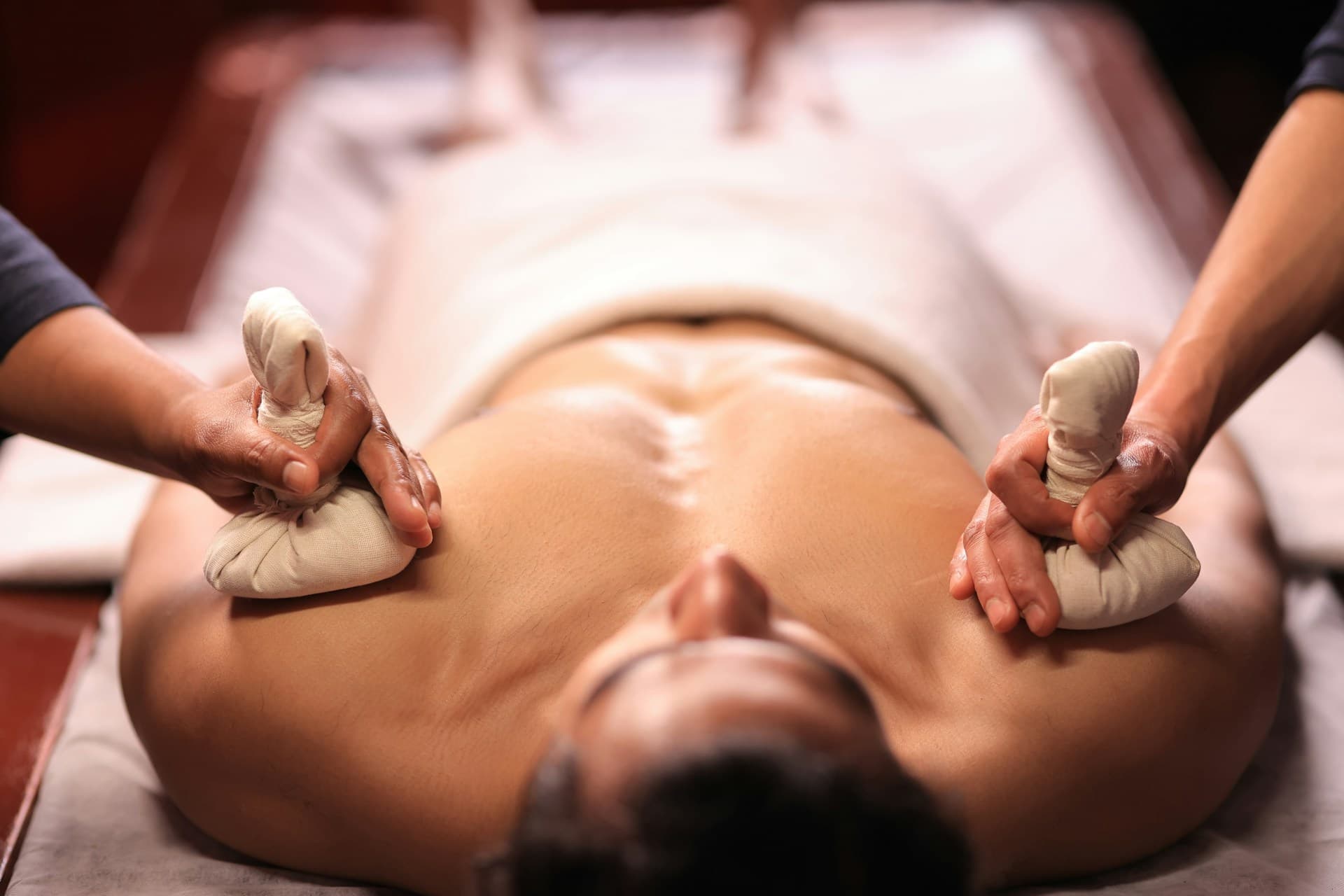
But your muscles do not hold pockets of metabolic poison waiting for hands to squeeze them out. Your body already has a dedicated system for waste: your liver breaks down unwanted compounds, your kidneys filter waste from your blood, and your lungs exhale carbon dioxide with every breath. When a massage therapist presses, kneads, and warms your muscles, they are moving skin, easing muscle tension, and calming your nervous system. They are not wringing out chemical waste.
When your therapist hands you that cup and repeats the familiar advice, you do not need to start a debate about liver function or explain that muscles do not store metabolic waste. Most therapists share the advice out of habit and genuine care. Smile, thank them, and drink your water. Spending an hour on a warm padded table in a quiet room gently draws moisture from your breath and skin; drinking water feels wonderful because you are thirsty, not because you need to wash freed toxins down a drain. Realizing you were never full of trapped poison is a relief. Massage does not need an invented medical miracle to be worth having.
Why did I feel so bad after my massage?
You sit behind the steering wheel in the parking lot and close the door. Suddenly your limbs feel heavy and dull. Your head is thick and foggy, and your skin feels warm and clammy, almost as if a fever is setting in. You drive home slowly, climb into bed, and search online from your phone: why do I feel sick after a massage? Within seconds, you find dozens of forum comments and salon blogs telling you not to worry. They tell you that you are having a detox reaction. They say feeling awful is proof that the work was deep enough.
That explanation is not true, and it can mislead people who need medical care. Feeling ill is never proof of a detox. When a therapist works firmly into tight muscle tissue, or when your nervous system drops out of high alert into deep rest, your body can feel temporarily heavy, drowsy, or lightheaded when you first stand up. Taking an extra minute to sit on the edge of the table before putting your feet on the floor gives your circulation time to adjust.
If you feel groggy after firm bodywork, giving yourself a quiet evening is the best recovery. Drink a glass of water, eat a simple meal, take a warm shower, and head to bed early. That heavy post-session fog usually lifts within a few hours. Mild muscle tenderness can also happen after deep work, much like starting a gentle workout routine. In a 2007 survey of 100 massage clients, around one in ten people felt some minor discomfort, which settled within about a day and a half.
What is never normal is running a high fever, severe nausea, vomiting, dizziness that will not pass, or sharp, escalating pain. If you feel sick hours or days after an appointment, your body is not clearing waste. You may have picked up an infection before your session, or your body may be signaling a health issue that needs a doctor. This is general information, not medical advice. If you are unsure, ask your doctor. If you live with an underlying medical condition (such as a bleeding disorder, a history of blood clots, active cancer treatment, uncontrolled blood pressure, or pregnancy complications), always check with your doctor before scheduling bodywork. A massage therapist works with muscle and touch, not clinical medicine, so when your health is complex or something feels wrong, a doctor is the right person to guide you. A good massage should leave you feeling grounded, quiet, and loose, never sick. If you had a session like lymphatic drainage massage or intense bodywork and feel unwell, do not wait it out thinking you are cleansing. Check with a doctor.
Does deep tissue massage have to hurt to work?
You are lying face down with your forehead resting in the padded fleece cradle. The room is quiet and smells faintly of almond oil. Then the therapist leans in, placing a hard elbow directly into the tender spot between your spine and your shoulder blade. Your shoulders rise toward your ears. Your knuckles turn white as you grip the underside of the table. You stop breathing and bite your lip, telling yourself to tough it out because deep tissue is supposed to hurt.
It does not. Many people believe that more pain equals a better massage, and that a therapist must hurt you to break through tension. But pain is not a measure of success. Therapists often observe that when pressure crosses the line into pain, your body instinctively braces and tenses to protect itself. You spend the rest of the session holding your breath against every stroke, which works against the very ease you came for. In fact, nobody has properly studied whether painful pressure produces better physical results than comfortable, firm pressure.
Setting the right pressure begins before you take off your shoes. During your consultation before the session, your therapist should ask what brings you in and how firm you like your bodywork. This is the moment to be specific: tell them if you carry stubborn tension in your upper back, but mention if your lower back or neck prefers a gentler touch. If you are trying deep tissue massage to work through persistent stiffness, a skilled therapist uses slow, deliberate friction that allows your muscles to accept the pressure gradually rather than forcing through them.
There is a real difference between satisfying intensity and pain. A skilled session can feel intense in a comforting way, like a blunt thumb sinking into tight tissue until you let out a long sigh. People often call this a good ache or productive discomfort. But sharp pain, burning, pins and needles, or bruising is a clear sign that the pressure is too hard. A 2003 review in Rheumatology found that serious injuries are rare and usually linked to very forceful techniques or untrained hands, and patient guidance from the Mayo Clinic makes clear that massage should not cause severe pain.
You have complete control once you are on the table. You never need an excuse to speak up, and you do not need to wait for the therapist to ask. Saying "that feels a bit too sharp, could we soften the pressure" or "that is right on the edge, let's stay lighter there" is a normal, everyday part of receiving good care. A professional therapist welcomes that feedback immediately.
Does being sore the next day mean the massage worked?
You wake up the morning after your appointment, push back the blanket, and stand up. When you roll your neck and stretch your arms, your upper back feels stiff and tender, like you spent yesterday afternoon carrying heavy boxes up a flight of stairs. A quiet thought crosses your mind: the therapist must have done a thorough job, because I feel it today.
You might have heard that this soreness happens because massage squeezes lactic acid out of your muscles. That is another belief that does not match human biology. Muscle cells produce lactic acid during demanding exercise, but a 2014 exercise study showed that the body clears lactic acid from muscle and bloodstream within an hour or so after moving. By the next morning, it is long gone. Instead, delayed soreness comes from tiny structural strain in muscle fibers that were pressed or stretched in an unfamiliar way, as reviewed in a 2018 sports medicine review, though researchers note the exact biological pathway is still being studied.
Being stiff or sore the next day does not mean the massage worked harder. In fact, a 2020 review of 29 studies linked massage after exercise to slightly less next-day soreness, though the effect was small and the studies were mostly in athletes. A session should not leave you feeling battered. Mild tenderness in tight shoulders can happen, particularly if you have not had bodywork in months, but giving yourself light walking, a warm bath, and a good night of sleep helps ease that stiffness over the next day or two. Waking up with dark bruises, sharp pain when you turn your head, or soreness that lingers for days means the pressure exceeded what your tissues could comfortably handle. A thoughtful therapist adjusts their pressure so you feel comfortable and mobile the next morning, not bruised.
Can massage break up knots, scar tissue, and boost immunity?
You lie on your back while the therapist works along your neck and shoulders. Their thumbs slide across a tender, tight ridge near your shoulder blade. "You have a stubborn knot right here," they tell you, rolling their thumb over the tight band. "We need to break this up."
It is natural to imagine a muscle knot as a tangled ball of string or a clump of hardened scar tissue that physical rubbing can smooth away. But muscles do not tie themselves into knots. What you feel as a knot, and what a therapist feels under their thumbs, is usually a sensitive spot in a taut band of muscle fibers held under steady tension. In a 2015 review in PM&R, researchers pointed out that while therapists encounter these tight bands every day, medical science is still debating their exact biological cause. Hands also cannot physically break apart or dissolve scar tissue through unbroken skin. While a 2022 review found that weeks of targeted massage helped soften tissue and ease itching around healing scars, hands do not mechanically tear or shatter fibrous collagen. Rubbing harder will not grind scar tissue away. Instead of physically smashing tissue, sustained, comforting pressure stimulates sensory nerves in your skin and muscles, prompting your nervous system to ease muscle tone and allow tight fibers to let go.
Other popular claims stretch the truth in similar ways. You might have heard that massage boosts your immune system. While a 2014 review noted early shifts in some immune markers after exercise, the findings were mixed, and whether regular massage helps protect against common seasonal infections has never been properly studied. In reflexology, many people find firm pressure on their arches and heels deeply relaxing, but guidance from the NCCIH notes that claims about foot pressure treating internal organs remain unproven, and a 2013 review found no convincing evidence that pressing reflex points affects your stomach or kidneys.
In the same way, while athletes frequently turn to sports massage around training sessions, researchers have never run clinical trials to test whether pre-event or post-event bodywork actually prevents sports injuries. That question remains open. Knowing what is unproven is freeing rather than discouraging: you do not need massage to be an immune booster, a medical treatment, or an athletic shield to justify booking time on the table. Letting skilled hands ease your tight calves, soothe your tired feet, and quiet your busy mind is already a wonderful reason to take care of yourself.
Why does massage feel so good, and what is real?
The therapist moves to the head of the table for the final minutes of your session. They cup the back of your head with warm hands and gently lengthen your neck. You take a slow, full breath. The mental chatter that followed you into the room fades into quiet. You slide off the warm table, pull on your socks and sweater, and notice something remarkable: your shoulders have dropped away from your ears, your jaw is unclenched, and the nagging tightness in your lower back feels softer than it has in weeks.
If massage does not flush out toxins, break up scar tissue, or prevent illness, why do so many people love it? Because the real benefits of massage do not depend on myths. When skilled hands press, glide, and knead tired muscles, your body responds immediately. Research shows that massage temporarily increases blood flow to the skin in the area being worked on, and the 2020 review by Davis and colleagues found a small, helpful improvement in flexibility and joint movement.
Touch also brings immediate mental calm. A 2004 review in Psychological Bulletin found that even a single massage session produced immediate reductions in state anxiety, blood pressure, and heart rate, while a series of sessions helped reduce ongoing anxiety over time.
For persistent aches, the evidence depends on where your body carries tension. If your lower back is stiff and sore, a 2015 Cochrane review found short-term improvements in pain and daily movement, though the studies behind it were relatively small. If you are struggling with neck discomfort, the findings are more modest: while guidance from the NCCIH notes that massage can offer brief comfort based on earlier research, a 2024 Cochrane review found that massage produced little noticeable difference when compared to a gentle resting touch.
Above all, massage gives you an hour of quiet human connection where nothing is demanded of you. That sense of relief and comfort is real, whether a laboratory study can capture every part of it or not. You do not need to believe in unproven claims to give your body permission to rest.
When you are ready to book, finding someone who makes you feel safe and heard is what matters most. Learning how to choose a massage therapist who listens to your comfort and respects your boundaries helps make your time on the table restorative. Exploring which massage is right for you helps match your visit to what your body actually needs today, whether you want the quiet, flowing rhythm of classic relaxation bodywork or focused pressure for tired muscles. Massage remains one of the most direct, enjoyable ways to care for your body. When you know what is true, you can enjoy every minute of it with complete confidence.
Sharing Services
Pick the one you like.

Researched & Written by afinika
CEO @ Welleta.com
Fluffy leta
Services
- massage