What to Expect at Your First Massage
November 5, 2026
6 Minutes
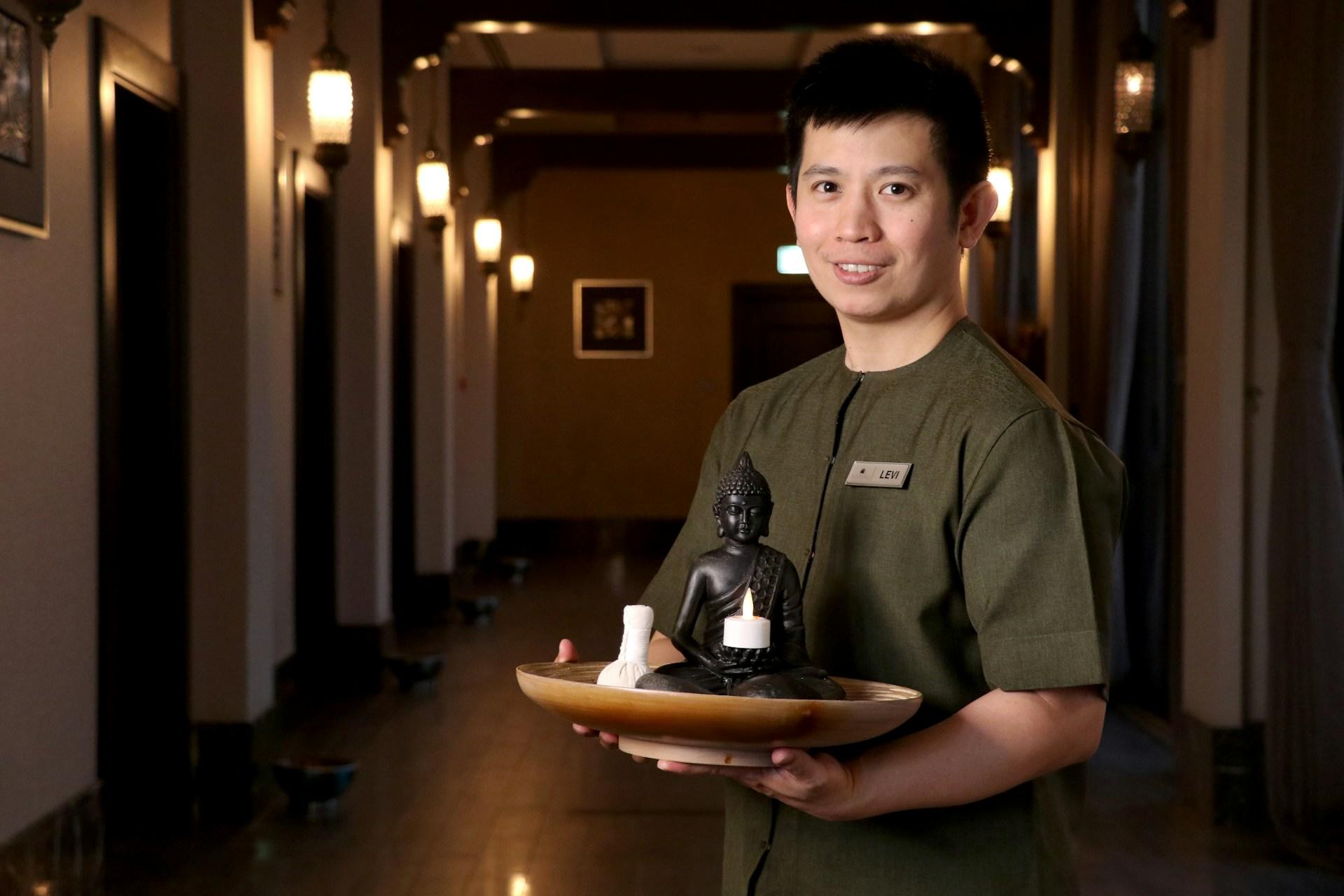
If you have never had a massage—or it has been years—the idea of booking one can feel anxious. You might wonder if there is a 'right' way to behave, whether you will feel exposed, or if it might hurt. The most important thing to know is this: you are in control of your session. From how much you undress to how hard the therapist presses, every part of the experience is built on your permission. Professional massage promotes relaxation and may help improve circulation (per the NCCIH). For many, its primary value is simply the chance to let the body unwind.
Is this massage right for me?
This is general information, not medical advice. If you are unsure, ask your doctor.
Before booking, check if you have any conditions that require medical clearance. These include blood clots (Deep Vein Thrombosis), uncontrolled high blood pressure, fever, infection, or active cancer treatment. When you arrive, you will fill out an intake form. Be honest about your health so your therapist can keep you safe.
If you have persistent or severe pain, see a clinician first. This helps you understand what is happening before you book a spa session. Learning from a doctor what your body needs allows you to tell your therapist exactly where to focus.
For more help on choosing a trustworthy therapist, see our guide on Finding the Best Massage Therapist. If you are unsure whether massage is safe for you, check our list of When not to get a massage.
What happens when you arrive?
Most massage sessions run for sixty to ninety minutes. This includes settling in and getting dressed. When you walk into the clinic or spa, you will usually start at reception. Here, you will fill out the intake form. List any injuries or areas where you feel tight. It is also the perfect place to write "This is my first time." This lets the therapist know to guide you more closely through the process.
After checking in, you might wait in a quiet area. When the therapist calls your name, they will lead you to the room. They will give you a brief overview of what will happen. They will ask about your pressure preference—light, medium, or firm—and if there are any areas you want them to avoid.

The modesty question: How much do I undress?
Many first-timers worry about nudity. The Golden Rule of massage is simple: you undress to your comfort level.
Some people undress completely. Others keep their underwear on. Some prefer a sports bra or shorts. All of these choices are normal. Your therapist will not judge you, and they will not ask you to remove anything you want to keep on.
Your privacy is protected by draping. Draping keeps you covered with a sheet or towel at all times. Only the part of your body being worked on is exposed. If the therapist works on your back, your legs and front stay covered. When they move to your legs, the rest of your body is tucked back under the sheet. You are never exposed to the room.
Getting started on the table
Once you are ready, the therapist will leave the room. This gives you privacy to undress and settle onto the table. Most tables have a face cradle—a padded U-shaped cushion where you rest your forehead and nose.
Lying face down might feel strange. You might worry about how you breathe or if your neck is angled right. Simply settle in and take a few deep breaths. When the therapist returns, they will first ask: "Are you comfortable?" and "Does your neck feel okay in the cradle?" They will wait for your answer before touching you.
The massage usually begins with a first touch to ground you. This might be a warm palm placed firmly on your shoulder or a slow stroke down your back. It is a moment for you to feel their hands and decide if the pressure feels right from the first second.
The experience: Touch, pressure, and communication
As the session progresses, the therapist applies oil or lotion to reduce friction. The work typically follows a flow, starting with long, sliding strokes that cover large areas of muscle. These strokes help your body adjust to the touch and ease surface tension.
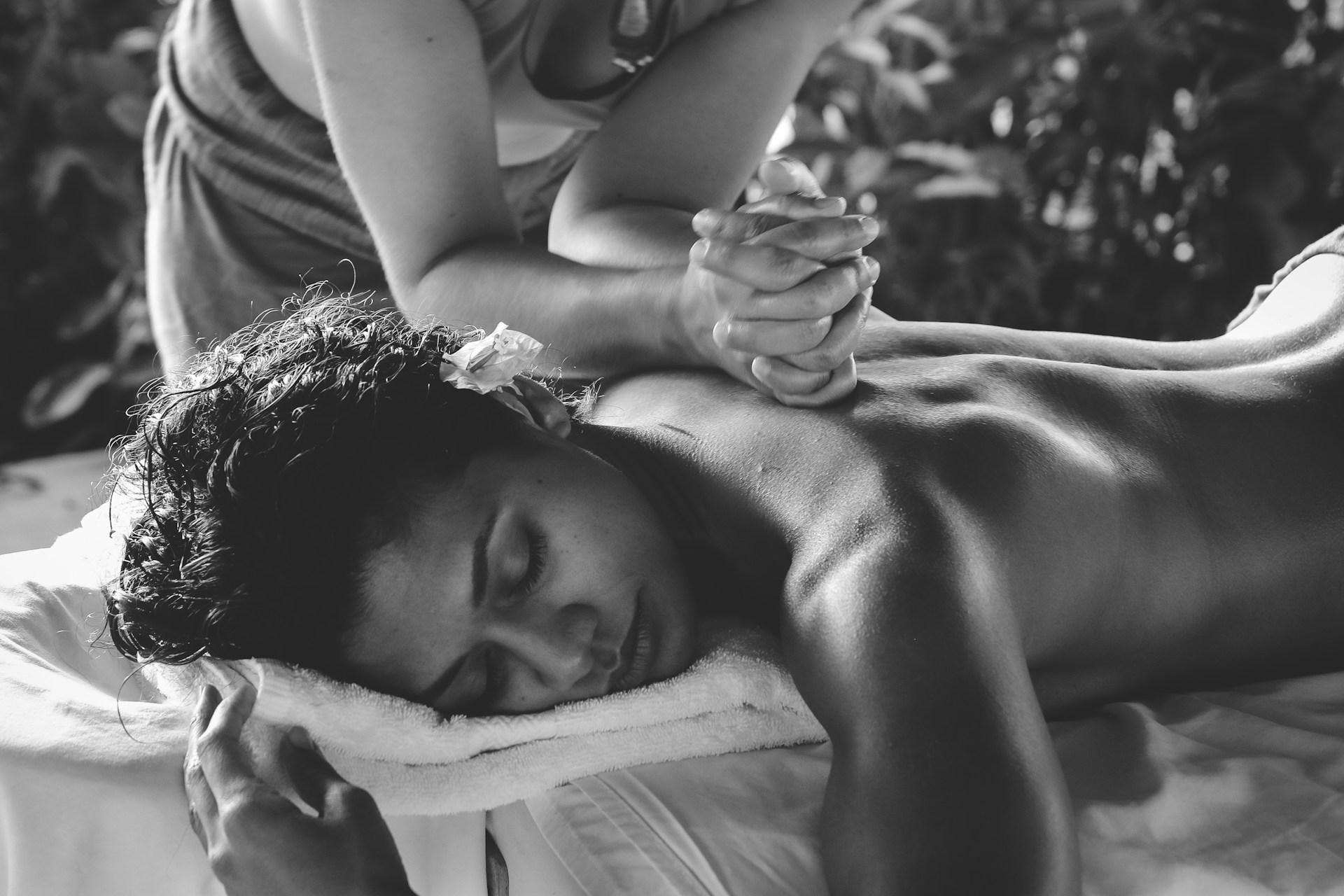
Then you will feel deeper kneading. The therapist might use their palms, thumbs, or elbows to work into tight spots. You might feel a firm pressure that pushes into the muscle rather than sliding over it. This is where many people feel the most relief.
It is normal to wonder if this is working. Some research suggests that deep pressure may help reduce muscle stiffness and improve range of motion (per the NCCIH). While the evidence is often limited, the immediate sensation of tension melting is what most people value.
The most important skill in your first massage is speaking up. Many first-timers think asking for a change is rude. It is not. It is the most helpful thing you can do. Your therapist cannot read your mind, and 'good' pressure is different for every body. Use simple scripts:
- "Could you go a little lighter here?"
- "That's perfect, exactly that pressure."
- "Can we spend more time on my shoulders?"
- "This area feels wrong—can we move on?"
- "I need you to stop now."
There is a difference between 'good discomfort' and 'bad pain.' Good discomfort is that dull ache you feel when a therapist finds a tight knot. Bad pain is anything sharp, stabbing, or sudden. If you feel bad pain, tell your therapist immediately. You should never have to endure pain to get a benefit.
What if I have a strong reaction?
When your body lets go of deep tension, it can trigger unexpected responses. You might yawn uncontrollably, sigh deeply, or drift into sleep. These are signs that your nervous system is switching from 'alert' to 'rest.'
Some people experience an emotional release. You might feel a sudden wave of sadness or start crying without knowing why. This is not an emotional breakdown. It is a physiological response to the release of physical tension. If this happens, do not feel embarrassed. Your therapist has seen it many times before. You can simply say, "I'm just relaxing," or stay silent. The room is your space.
FAQ for First-Timers
What if I'm ticklish? Tell your therapist before they start. They can use broader hand contact and firmer pressure, which usually prevents the tickle response.
What if I need to use the bathroom mid-session? Just say so. Your therapist will help you up and wait for you to return. It's a common request.
What if I fall asleep? This is considered a compliment to the therapist. They will simply continue their work and gently wake you at the end.
Can I keep my clothes on? Yes. Oil massages usually require some undressing, but other types—like Thai or Shiatsu—are done fully clothed. If you prefer to stay dressed, choose a clothed technique or tell your therapist beforehand.
Do I tip, and how much? Customs vary by place. In many regions, 15 to 20 percent is common. If you are unsure, ask at reception before you leave.
The wind-down: Leaving the table
When the session is over, the therapist will let you know and leave the room. This lets you take your time getting up and dressing.
Do not rush to stand up. You may feel dizzy when you stand. This is called orthostatic hypotension, and it can happen after relaxing massage (per Mayo Clinic). Your muscles are also deeply relaxed. Sit on the edge of the table first.
You will likely notice a 'massage haze'—a floaty feeling where the world feels slower. This is normal. Drink a full glass of water after your session to stay hydrated and help your body settle. The world will wait—take a few extra minutes to let yourself come back to earth.
Sharing Services
Pick the one you like.

Researched & Written by afinika
Welleta.com
Health educator for over 13 years.
Services
- massage