When You Should Not Have a Massage
October 19, 2026
11 Minutes
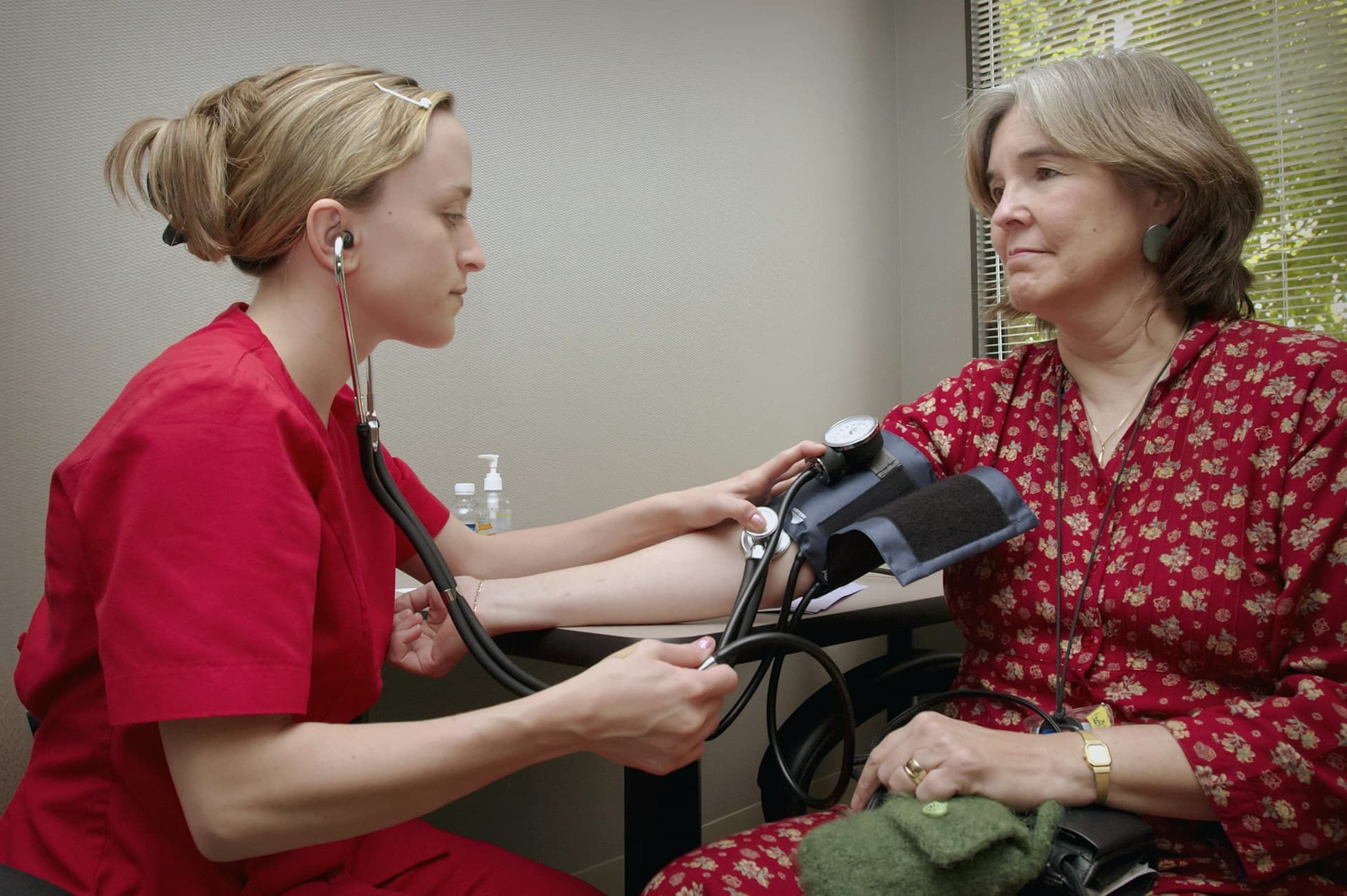
They will ask about your health history, any medications you take, and what brought you in today. If you arrived with ordinary neck stiffness from sitting at a desk, tight shoulders, or tired legs after a long week, massage is built for you. You are not overreacting by booking, and you do not need medical clearance to soothe everyday muscle tension. Massage is safe, soothing, and deeply restorative for most people on most days.
Sometimes, though, your body needs a pause instead of hands-on touch. On clinic consultation forms, you will encounter a list of health conditions known in medicine as contraindications. That formal medical term can sound intimidating, but it rarely means massage is closed to you forever. Most often, it means waiting until an infection clears, asking your therapist to work around an injured joint, or choosing lighter pressure so your visit stays comfortable.
This is general information, not medical advice. If you are unsure, ask your doctor. Serious side effects from professional massage appear to be rare. A 2014 systematic review identified 138 adverse events reported across eleven years of medical literature, and guidance from the NCCIH notes that the overall risk of harm appears to be low. Talking through your health history in that quiet room while you are fully dressed gives your therapist the facts they need to adapt their touch safely. Intake practices differ between clinics, so sharing your health background openly is the easiest way to make sure your session feels wonderful.
When you should pause and not get a massage today
Certain health situations mean you should cancel your appointment and stay home. These are temporary reasons to pause touch completely until your body recovers.
Do not get a massage if you have a fever, chills, or an active infection like flu or a stomach bug. While massage briefly changes local blood flow and heart rate in the area being worked on, as reviewed in a 2026 literature review, resting in bed allows your body to direct its energy toward recovery. Staying home also protects your therapist and other visitors from catching your illness.
Some people believe that massage boosts immunity or helps fight off an illness. Whether massage affects immune function during an acute infection has not been properly studied; a 2015 review found only preliminary shifts in immune markers in healthy people after vigorous exercise. When your body temperature rises, you need quiet bed rest and fluids, not physical stimulation on a massage table. NHS advice on fever in adults recommends staying home until your high temperature is gone, though clinic cancellation policies vary.
Never receive a massage if you suspect a blood clot in your leg (deep vein thrombosis). According to NHS guidance on deep vein thrombosis, warning signs include throbbing or cramping pain in one leg, usually in the calf or thigh, swelling in one leg, and skin that feels warm or looks red, blue, or darkened. Firm massage on an affected leg is strictly avoided because medical case reports, including a 2018 report, document blood clots travelling to the lungs after leg massage, though research has not measured how often this happens. If you notice these leg symptoms, seek medical assessment before any bodywork. If leg symptoms appear alongside breathlessness or chest pain, seek emergency medical care immediately.
Fresh injuries and open wounds also mean pausing massage in that area. If you recently had an operation, check with your surgeon or doctor before booking bodywork, as tissue recovery times vary and your surgical incisions must be fully closed and cleared first. A therapist must never massage directly over fresh stitches, unhealed burns, or inflamed skin. For contagious skin rashes like ringworm or athlete's foot, public health guidance from the CDC and the NHS advises avoiding skin contact and not sharing towels, because physical contact can spread the fungal infection across your skin or to other people.

Long-term medical conditions and medications
Many people live with long-term medical conditions and still enjoy regular massage. Having a chronic illness rarely rules out touch forever. It usually means adjusting the pressure or avoiding specific areas of your body.
If you take blood thinners (anticoagulants), your blood clots more slowly. Mayo Clinic guidance on medical-based massage lists blood-thinning medications and clotting disorders among the main reasons to consult your doctor before booking. Firm pressure can cause bruising or bleeding into muscle tissue, as documented in a 2018 clinical review of massage injuries, though how frequently this occurs has not been quantified in clinical studies. You do not have to give up massage entirely. Ask your doctor for clearance, and ask your therapist for light, soothing strokes rather than firm elbows.
People with severe bone thinning (osteoporosis) need extra care. Mayo Clinic guidance recommends speaking with your doctor first if you have severe osteoporosis, as heavy downward force can risk injury. While bone fractures from massage are rare, a 2013 medical report documented an isolated spinal fracture following forceful back massage in an older adult with weakened bone density. A gentle massage session that avoids heavy downward force remains pleasant and comfortable. Always tell your therapist about bone density diagnoses before you lie on the table.
Living with heart disease, uncontrolled high blood pressure, or a recent heart attack or stroke also requires medical clearance. British Heart charity guidance advises speaking with your doctor or nurse before booking a massage, because physical touch can temporarily affect local blood flow and heart rate. Once your cardiovascular health is stable under medical care, light relaxation massage can feel very calming, but vigorous techniques and very hot spa sessions should be avoided.
If you are living with cancer or undergoing treatment, gentle touch can offer comfort and help ease daily stress and anxiety, as supported by clinical research including a 2025 systematic review. A persistent myth claims that massage spreads cancer through your bloodstream or lymphatic system. Cancer Council Australia clarifies that there is no credible evidence that massage spreads cancer, because tumour growth is governed by complex cellular processes rather than physical touch. In addition, a 2026 systematic review of 63 studies found no higher risk of harm from gentle massage compared to usual care. The essential safety precaution is avoiding direct pressure over a tumour site, surgical scars, or fragile tissue. Cancer therapies can leave your body tender and sensitive, so always speak with your oncologist first and seek out a therapist certified in oncology massage who understands how to adapt their touch.
Pregnancy and prenatal massage
Pregnancy brings new aches to your lower back, hips, and tired feet. Gentle, supportive touch can bring wonderful physical relief during this time. Knowing when and how to book makes the experience both safe and deeply relaxing.
Most massage clinics ask pregnant clients to wait until their second trimester before booking. In clinical studies, including a 2021 systematic review, prenatal massage research has focused on people who are past their first trimester. Early miscarriages are common, with guidance from the Royal Women's Hospital noting that most occur within the first twelve weeks. Because of this, clinics adopt a cautious pause until thirteen weeks. If you wish to receive massage during your first trimester, ask your obstetrician or midwife for advice before scheduling a session.
From the second trimester onward, prenatal massage is widely enjoyed. Research summarized in the 2021 review shows that gentle relaxation massage during healthy pregnancy can soothe back pain, aching legs, and anxiety, with very few mild side effects reported. In a prenatal session, you do not lie flat on your stomach or flat on your back. Cleveland Clinic prenatal guidance notes that sessions are typically done while you rest comfortably on your side, supported by pillows and bolsters nestled between your knees and beneath your abdomen.
In massage training and clinic practice, therapists often choose lighter touch on the legs and avoid deep pressure on the abdomen. If you experience pregnancy complications such as preeclampsia, high blood pressure, or sudden swelling in your hands and face, pause massage until your obstetrician or midwife assesses you.

Choosing a gentler massage type instead of cancelling
You do not always have to cancel your appointment if you feel sensitive or fatigued. Often, switching to a different massage type provides comfort without strain.
If a therapist suggests deep tissue massage, remember that it uses firm, targeted pressure on inner muscle layers. That intensity can feel overwhelming if you are recovering from mild illness or taking medication. Instead, you can choose a gentle Swedish massage. Swedish massage relies on long, flowing palm glides and light kneading with warm oil. It calms your nervous system without pushing hard into your muscles.
You can also explore reflexology. In reflexology, you stay fully clothed while the therapist massages your feet, hands, and outer ears. It is an excellent choice if undressing feels uncomfortable or if you have an upper-body injury.
If you have light swelling, lymphatic drainage massage uses rhythmic skin stretching with almost no downward pressure. For whole-body stretching while fully dressed, Asian massage styles like Thai massage offer guided yoga-like movements. When deciding which massage is right for you, matching the technique to how your body feels today gives you the rest you came for without unwanted pressure.
A common belief is that massage must hurt to do any good. Whether pain is needed for results has never been tested in clinical trials. A related belief says that feeling battered or bruised the next day proves the session was effective. That idea is not supported by research. A 2020 systematic review of 29 studies found that massage after strenuous exercise was associated with less next-day muscle soreness, not more, though the research was conducted with athletes and may not apply to every situation. What a gentle massage does offer is soothing touch that eases daily stiffness and calms your body without requiring bruising or enduring sharp discomfort.

What to ask your doctor and tell your therapist
Talking to your doctor and therapist feels simple once you know what to ask. Your doctor understands your medical history, while your therapist understands pressure and positioning.
If you have an ongoing medical condition or recently started a new prescription, call your doctor's clinic. You only need to ask two practical questions: whether it is safe for you to receive gentle massage right now, and whether there are any specific parts of your body or pressure levels the therapist should avoid.
Write down their answers on your phone or ask for a brief note. Therapists appreciate when clients bring clear medical notes. It removes guesswork and lets them adapt the session to keep you safe.
When you arrive at the clinic, be completely candid on your intake form. Never hide a medication or a recent surgery because you worry about being turned away. A professional therapist will not scold you. They will thank you for speaking up and adapt their touch so you have a comfortable visit. When choosing a massage therapist, checking that they hold recognized credentials and feel comfortable adapting their work to your health history keeps you in safe hands.
What to do if you have already booked or arrived
Plans change, and your body can feel different on the morning of your appointment. You might wake up with a scratchy throat, a fever, or a tender bruise.
You always have the right to cancel or reschedule. Calling the clinic and explaining that you woke up sick is courteous and expected. Many spas and private therapists are happy to rebook your session without penalty when you wake up unwell, though cancellation policies vary between businesses.
If you arrive and your therapist decides that massaging you today is not safe, such as when you have a fever, an unexplained swelling, or recently had surgery without a doctor's clearance, know that they are acting in your best interest. Being turned away can feel disappointing, but professional therapists do this to protect your health. Reputable clinics handle these safety decisions with care: they will typically waive cancellation penalties or charge only a modest consultation fee, and help you reschedule for a date after your doctor has cleared you.
If you have already arrived and feel uncertain about a tender spot, speak up at the front desk or during your consultation. You can say: "My lower back feels unusually inflamed today, so I want to stick to neck and shoulder touch." You can also say: "I started a new blood thinner this week, so please keep the pressure very light."
Once you lie down on the table, you remain in complete control. If the therapist presses too firmly, speak up immediately. Say: "Please use less pressure there." If an area feels tender or painful, ask them to move to another spot. You can even ask to end the session early if you feel unwell. Feeling calm or experiencing slight muscular stiffness the next day after deeper pressure is completely normal. However, severe pain, extensive bruising, dizziness, or sharp nerve tingling are never normal. If an encounter ever feels uncomfortable or crosses a boundary, you have the right to leave immediately; knowing what to do when a massage goes wrong lets you protect your rights and report misconduct.

Sharing Services
Pick the one you like.

Researched & Written by afinika
CEO @ Welleta.com
Fluffy leta
Services
- massage