What Is Balinese Massage, and What Does a Session Feel Like?
Published on
Updated on
7 Minutes
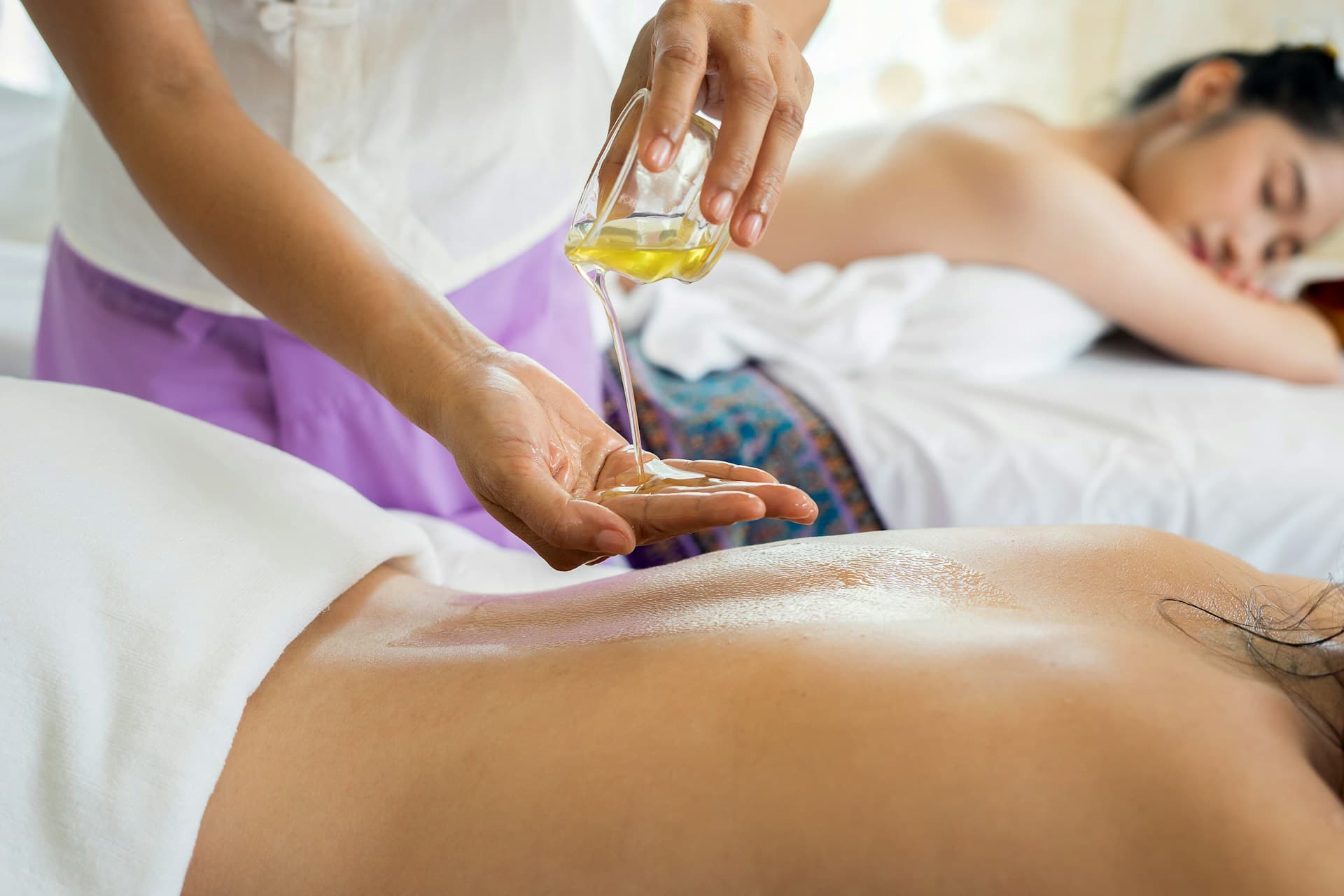
Balinese massage is an oil massage you lie on a padded table for. A therapist pours warm oil, drapes you in sheets, and works long, flowing strokes over your back, shoulders, legs and arms for an hour or more. It is the spa menu's classic answer to "I want to be deeply relaxed", and most people who book it on a recommendation find they were given exactly that.
It comes from Bali, the Indonesian island whose traditional healing practices shaped it. The story goes that those practices took in methods from India and China along the way, and that version is the one every training academy teaches. It has spread worldwide since, which is why a place that calls itself an Asian-massage studio somewhere in Europe can offer it with confidence. If you saw the name on a menu and want to know what you would actually buy, you are about to find out.
What it is, physically
Balinese massage sits in the Asian family of massage, alongside Thai massage, shiatsu and Tuina. If you want the family portraits and how they compare, the Asian massage styles guide walks through each one.
Here is the difference in one sentence: Thai massage happens on a mat, clothed, full of stretches and pressure along your body's lines. Balinese massage happens on a table, with oil, and the focus is on smooth, flowing movement through your muscles.
You will notice it looks like a Swedish massage from the outside, long gliding strokes, kneading, some firmer pressure in places. That comparison is right and useful, because Balinese massage uses the same basic strokes. Where it differs is temperament. Swedish is taught as a general relaxation technique with a fairly even rhythm.
Balinese tends to swing harder between the soft parts and the worked ones: a stretch of long, gentle gliding across your back, then your therapist digging their knuckles into the shoulder blade, then gliding again. If you have had Swedish and it felt pleasant but shallow, that is usually the reason people upgrade to Balinese.
It is not deep tissue, though. The pressure can be firm. It is rarely sustained, grindingly firm for long stretches the way a deep tissue session is, where the therapist slows right down and works into a tight area for minutes at a time. Most Balinese sessions keep moving.
What happens in a session, in order
You book a length, usually sixty or ninety minutes, and arrive a few minutes early. You fill in a short form: anything you should not have pressed on, any medical thing you would want known. A therapist reviews it with you and asks about pressure preference. That is the moment to say it plainly: light, medium, or firm, and whether there is a specific area you want more attention on.
Then you get privacy to undress to your comfort level, normally down to underwear. Keep them if you prefer; nobody comments on it. You lie face down on the table, face in the padded cradle, covered by a sheet. Your therapist uncovers only the part being worked on, always. That is draping, and it means your back is being massaged while the rest of you is exactly as covered as the day you arrived.
The oil is warm, sometimes scented, and you feel it pour or rub onto your back before the strokes begin. That first warm glide across the shoulder blades is what "spa-like" actually means. From there the therapist works in a rhythm: long strokes up the middle of the back, kneading into the muscles either side of it, over the arms, down to the legs and feet. At some point they will turn you over for the front: shoulders and neck again, the chest lightly, the stomach usually left alone, and the legs and feet worked as thoroughly as the back.
You do not have to say anything. You may talk, and most therapists are happy to chat or to not. If the pressure is wrong at any moment, a sentence fixes it: "a bit softer there", or "your left shoulder needs more." That is not an imposition. It is the point of asking your preference at the start.
Afterwards you get up slowly, because some people find they are rather more upright than they were. That feeling, heavy legs, a bit floaty, is normal, and nobody at the spa thinks anything of it.
What it feels like
Warm, first. Then a wave of pressure that moves. Then quiet.
The smooth parts feel like the oil doing half the work itself: broad palms gliding, your own weight on the table taking the effort out of holding your body together. The firmer parts, knuckles into the shoulder blade, fingers digging into a knot in the trapezius, are noticeable but almost always described as tolerable in a good way. Sharp pain is not part of the technique. If it hurts like pain, say so, and a professional eases off or asks whether you want them to stay.
People commonly doze off. That is not a joke about the method; it is what long, rhythmic strokes with warm oil do, and therapists are used to a quiet, breathing body under their hands for most of a session.
What "deep relaxation" on the menu actually promises
The menu sells you calm, and the technique genuinely delivers it. It is atmosphere plus touch, not a mechanism: Balinese massage makes you relax the way an hour of being held still, warmed, and stroked makes anyone relax. It is not working your nervous system in a specific therapeutic way, at least not in a sense the research would confirm, and it is not meant to be.
The closest the research comes is a 2016 Cochrane review of 19 studies in people with cancer: massage may help with pain, and adding scented oil gave a small extra benefit, but the reviewers rated the evidence very low certainty, mostly because the studies were small. And it studied massage in general; nobody has studied Balinese massage as its own thing.
That does not make it hollow. You leave feeling genuinely loose and genuinely rested, and your shoulders are looser than they were at the door. If someone has told you Balinese massage flushes toxins or balances energy, that is not what it does; Does Massage Release Toxins? And What It Actually Does covers what massage actually does do.
If you are booking because your back or neck genuinely aches, Balinese can still be the right call, but tell the therapist that at intake so they work harder where you need it, and know that a session aimed at chronic pain would be a different choice. Not sure which? The quick guide to matching your goal to a massage style sorts that out.
Who it is for, and who it is not
Balinese massage is the natural first massage for a lot of people. It looks like Swedish, which beginners already trust, but it moves with more intention and swings between gentle and firm, so the hour keeps your interest. Regulars come for it when they want an upgrade without deep tissue intensity.
It is less right for you if you are after sustained deep pressure on one stubborn spot, which is what deep tissue or a trigger-point session exists for. It is not the choice either if you need something clinical; when massage belongs in the hands of a practitioner working with your clinician's guidance, a spa booking is not that thing.
One more thread worth pulling: the oil half of Balinese is aromatherapy in practice, and scent is a choice. If the idea of scented oil does not appeal, ask for plain oil. If you are sensitive to fragrance or use a medication, or are pregnant, say so at intake and let the therapist know, because essential oils are their own safety question with their own cautions.
Who should not book one
Massage is safe for most people, and a Balinese session is not a riskier kind of massage than any other. But it is not for everyone. If you are pregnant, recovering from surgery, on blood thinners, or dealing with a clot, a heart condition, uncontrolled blood pressure, an infection or fever, or open wounds, ask a clinician before you book. The full guide to when you should not have a massage covers why each of those matters and what to do about it. This is general information, not medical advice; if you are unsure about your own situation, your doctor is the person to ask.
So there is the hour you would actually be buying: warm oil, draping, long strokes with the occasional firm one, and your own permission to stop thinking. If that sounds like a good trade, the only thing worth deciding before you arrive is whether you want it lighter or firmer.
Sharing Services
Pick the one you like.

Services
- massage