Thai Herbal Compress Massage Explained
November 6, 2026
4 Minutes
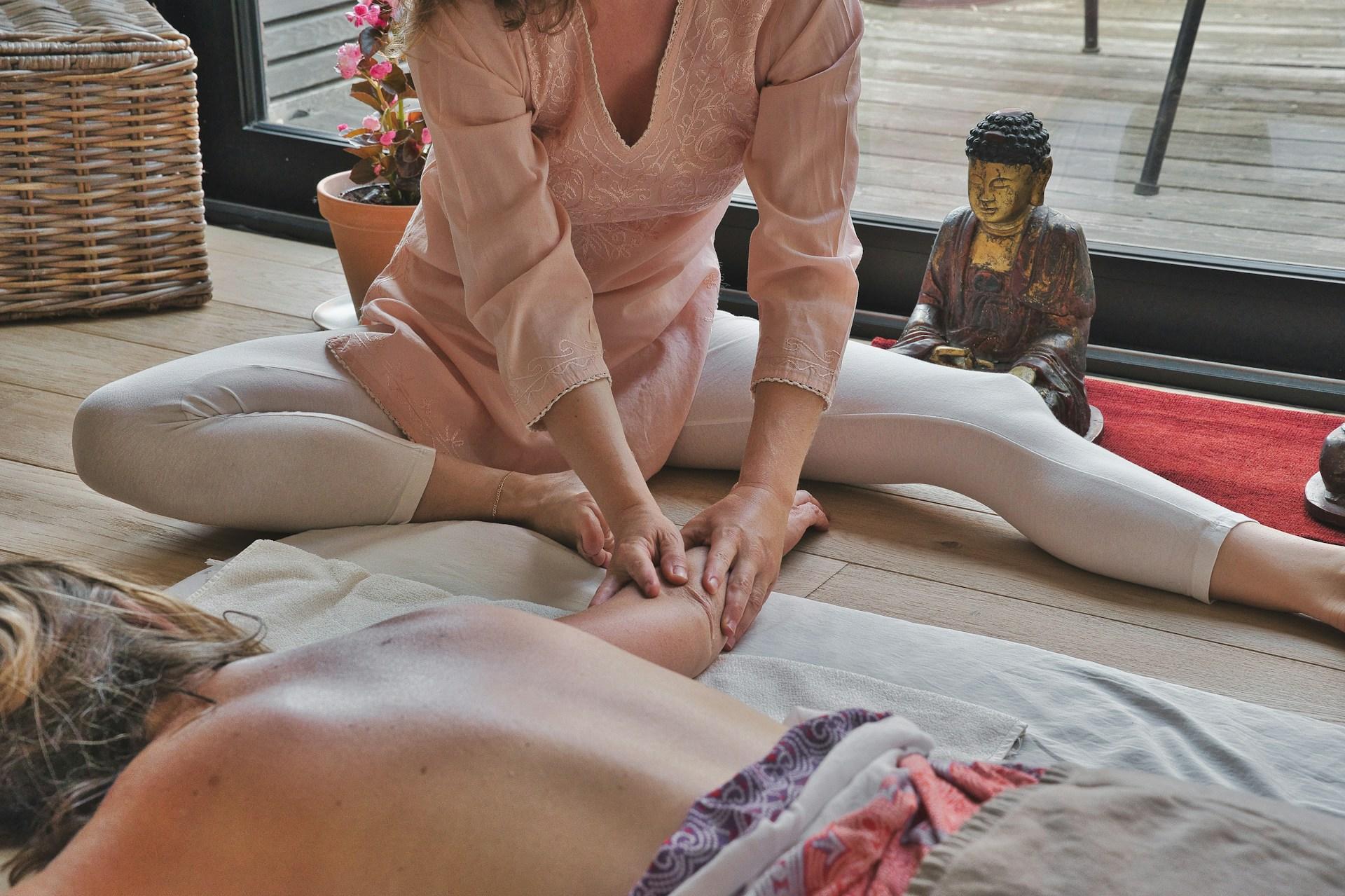
Imagine a warm, weighted cotton pouch—smelling of ginger and lime—pressed firmly into your tightest muscles. The first thing you feel is an intense, moist heat that makes your muscles soften almost immediately. It's less about the intense stretching of traditional Thai massage and more about using heat and pressure to ease discomfort. Some research suggests these compresses can serve as an alternative for muscle pain (a 2015 review of the studies).
You are agreeing to have this steamed pouch pressed into your muscles. Because it uses concentrated heat, there are specific safety steps you should know before you begin.
What exactly is the "herbal ball"?
When you walk into the room, you will notice a strong, sharp smell of lemongrass and kaffir lime filling the air. Near your table, you will see a steamer basket — similar to the ones used for buns — where cotton pouches tied with string are kept hot. These pouches are stuffed with a mix of dried ginger, lemongrass, kaffir lime, turmeric, and camphor.
In Thailand, these compresses are so well-established that they are included in the National List of Essential Medicines for muscle sprains and joint pain. You may have heard that these herbs detox or flush toxins from your muscles; however, this is not supported by clinical evidence. Instead, the heat and herbs work by improving your relaxation and changing how your body perceives pain, which helps the muscles let go of tension without needing to release anything artificially.
Your session from booking to walking out
When you book a session, you're usually choosing between the focused work of a Thai massage or the soothing heat of the compress. When you arrive, you will typically change into loose, comfortable clothing provided by the spa—often thin cotton pants and a loose shirt.
Once you lie on the padded table, your therapist will first ask about any areas you're worried about. Before the pouch ever touches your skin, they will test it against their own arm or a small area of your body to ensure the temperature is safe for you.
The session typically lasts 60 to 90 minutes. The therapist moves the herbal ball in three main ways:
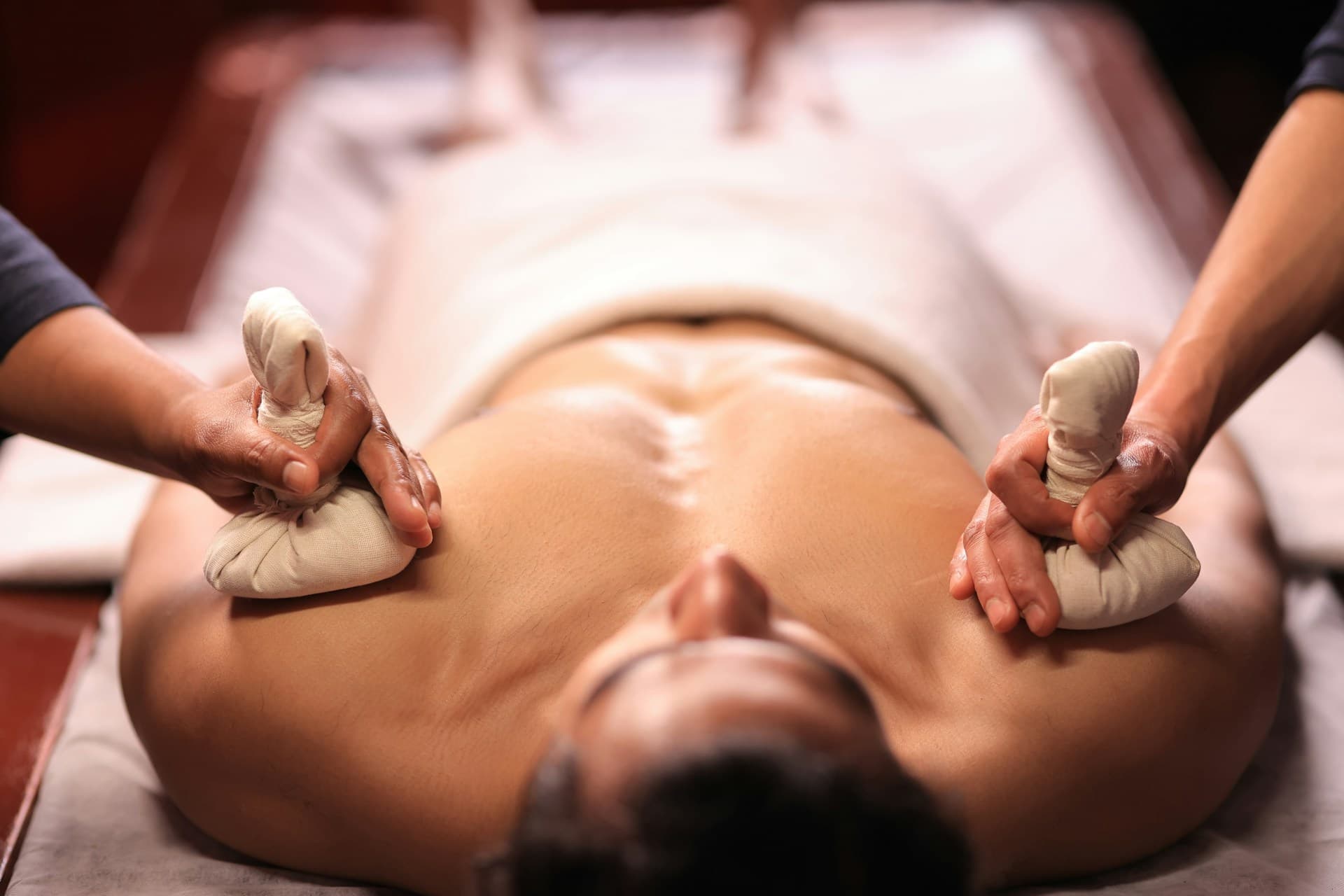
First is the dabbing. The therapist presses the pouch into a muscle for 3 to 5 seconds and releases it quickly. This sends a focused pulse of moist heat that penetrates the skin, making the muscle beneath feel instantly looser.
Next is the rolling. The therapist moves the hot pouch across your skin in slow, circular motions for 10 to 20 seconds at a time. This feels like a rolling wave of warmth and weight, smoothing out tension as the pouch glides across your body without the sharper edge of deep acupressure.
Finally, there is rhythmic striking. The therapist applies the pouch and then strikes the area lightly with the side of their hand—a rhythmic tap that drives the heat deeper into the muscle with each gentle impact. This is a traditional technique for stimulation, though its specific physiological effects beyond heat and pressure have not been properly studied.
You are always in control of the heat and pressure. If it feels too intense, you can simply say: "Could you please go lighter?" or "Can we leave the compress off this area for a moment?" The therapist will adjust immediately.
Is it safe for me?
Heat is the core of this session, but it can be risky if you cannot feel temperature correctly. The combination of moist heat and concentrated pressure can cause burns more easily than dry heat. Because the pouch holds moisture, it can sometimes feel hotter than expected.
If you have diabetes, nerve damage from a spinal injury, or any condition that causes neuropathy (reduced sensation in your hands or feet), you must tell your therapist before you begin. Because your body may not send a pain signal quickly enough, you could burn your skin without noticing it.
When speaking with your therapist, you can be specific: "I have reduced sensation in my legs - please check the temperature more often." Your job is to communicate what you feel every few seconds.
The difference between compress and Thai massage
Many people add the herbal compress to a standard Thai massage, but they serve different needs. Standard Thai massage is about intense stretch and intense pressure, using elbows and knees to work through knots. This can feel sharp and invigorating.
The herbal compress is about soothing heat and comfort. It is often preferred when your muscles are tender or when you need relief without the intensity of an intense stretch. If you are feeling particularly sore, the heated pouches can prepare your body by softening the tissue first, making any follow-up focused work more comfortable.
After your session
After you get up from the table, you will likely notice a lingering warmth in your muscles and a general sense of heaviness that can last for about an hour. Some people feel mildly sore in the areas where the pouch was applied, similar to the feeling after a light workout. The most important thing is to drink plenty of water, which helps your body recover from the heat and the stimulation of the session.
By the end of your session, you will feel a different kind of quiet—your muscles softened, your breath slower, and the familiar weight of daily tension lifted by the heat.
Sharing Services
Pick the one you like.

Researched & Written by afinika
Welleta.com
Health educator for over 13 years.
Services
- massage