Aromatherapy Massage: What Actually Happens, and Does the Oil Do Anything?
November 4, 2026
7 Minutes
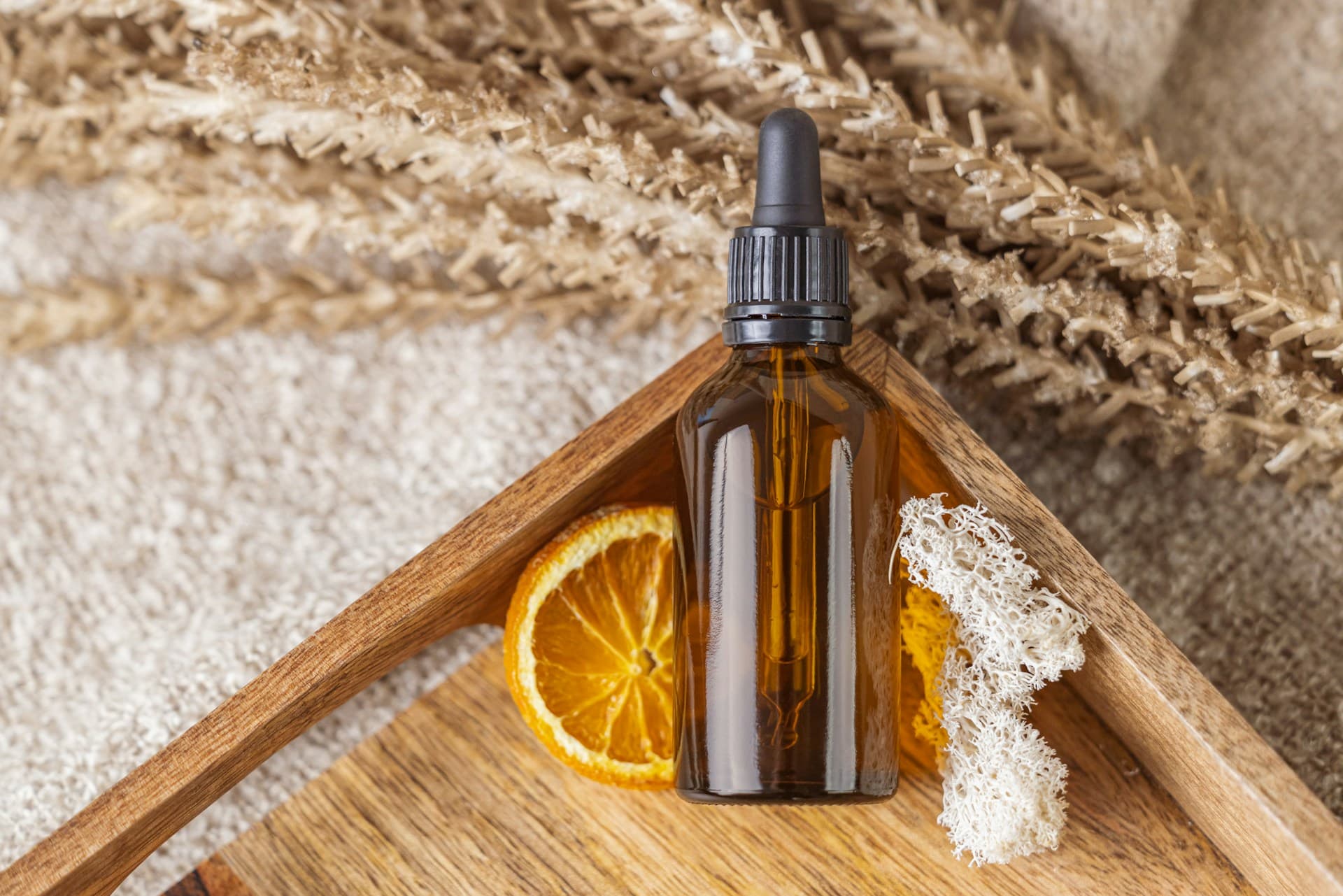
You've had a hands-on massage before — the long, smooth strokes, the darkened room, that slow fade by the end of the hour. So why does this one come with a smell you can't quite place, and why do you now wonder whether you paid extra for the oil, or just for something to sell you more towels? It's the same reassuring hands-on massage you'd get any other way, only with a scent added.
The physical comfort comes from skilled touch, warmth, and quiet time on the table. The pleasant fragrance adds a sensory layer that can help you settle down and rest.
What actually happens during an aromatherapy massage?
A session begins with a short conversation before you undress. The therapist asks about your goals, your pressure preferences, and whether you have allergies or scent sensitivities. They also discuss which scented oil to use.
You then have complete privacy to undress. Most people undress down to their underwear, though you can keep on whatever clothing makes you feel comfortable. You lie on a padded massage table beneath a clean sheet and a warm blanket.
The therapist knocks before entering. They uncover only the specific area of your body they are working on, keeping the rest of your body draped. This practice protects your privacy and keeps you warm.
To begin, the therapist warms a small amount of oil between their hands. They apply it using long, gliding strokes across your back, shoulders, arms, and legs. The rhythm is steady and flowing, designed to soo tired muscles and ease everyday tension.
At the end of the hour, the therapist uses a warm towel to wipe excess oil from your skin. They leave the room so you can dress in private. If this is your first time on the table, Your first massage: what happens, what to say walks through the whole thing.
How much does it cost, and should I tip?
You may as well settle the practical questions up front. An aromatherapy massage usually costs a little more than a plain Swedish session — the essential oils cost the spa something, and that gets passed on. But the gap is usually modest, not dramatic; you're rarely paying double for the scent.
Tipping works exactly as it does for any other massage. It's at your discretion, and where it's customary, fifteen to twenty percent for a session you enjoyed is the norm. You're never on the hook for a tip just because the oil happened to be scented.
What will the session smell like, and how strong is it?
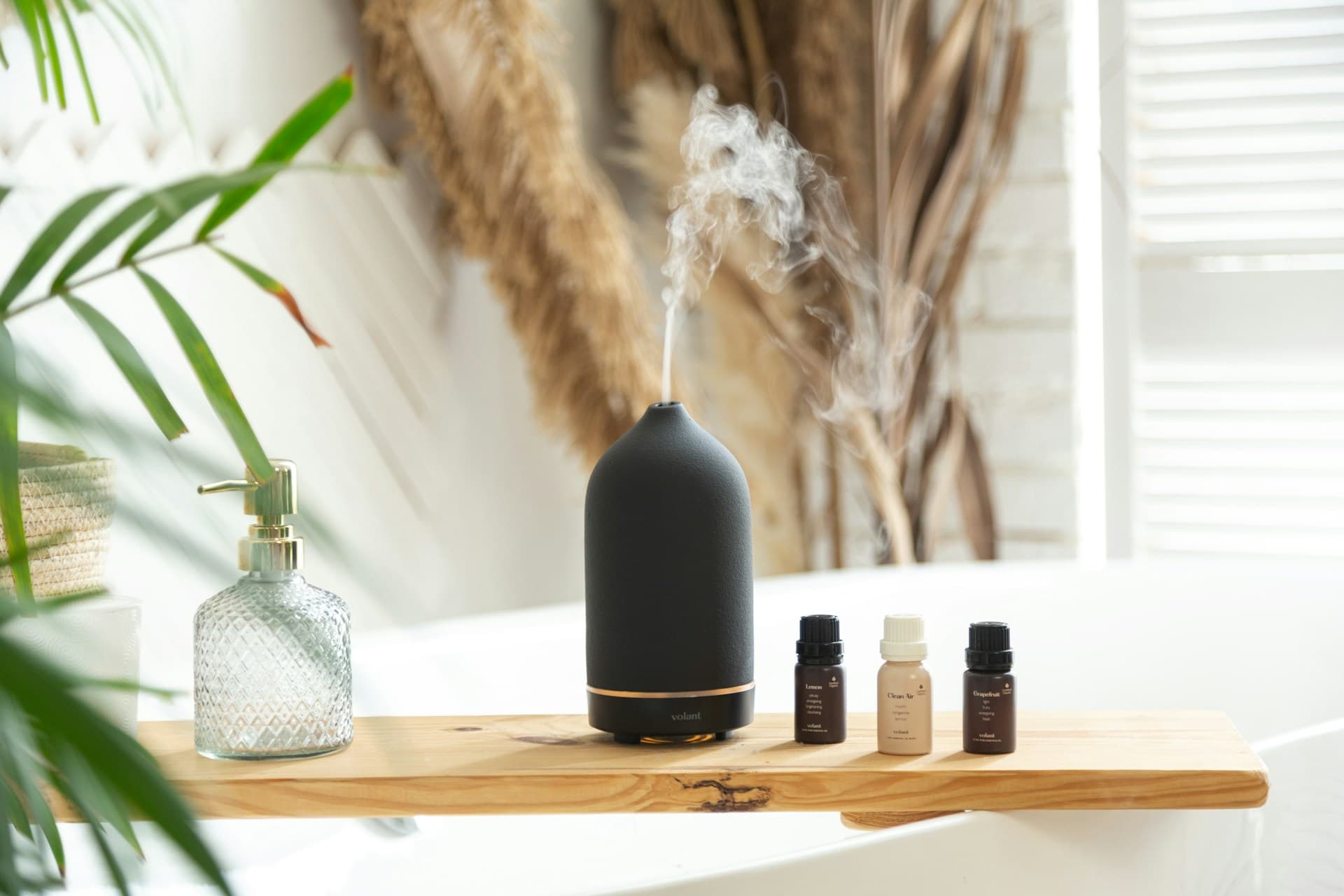
The fragrance reaches you in two main ways. It rises from the warm oil on your skin, and it often drifts from a diffuser or a scented tissue placed beneath the face cradle.
The scent is rarely sharp or chemical. Pure essential oils smell like the plant parts they come from, such as crushed lavender buds, fresh citrus peel, or woody pine needles.
The smell often feels stronger during the massage than it did from the open bottle. Your body heat warms the oil on your skin, which releases the aromatic vapors into the air. In a warm, closed treatment room, that gentle scent gathers and stays noticeable.
The fragrance also remains on your skin and clothes after you leave. Some people love carrying that calming scent home on their commute. If you work in an office or prefer no scent, asking for plain unscented oil is completely routine.
Does the essential oil actually do anything, or is it the massage?
People often wonder whether the scented oil creates the relaxation, or whether the hands-on massage does all the work. The physical massage provides the primary benefit: gentle kneading, warm hands, and quiet rest ease tight muscles and soothe daily stress on their own.
The scent adds something on top. Inhaling pleasant plant aromas stimulates scent receptors in your nose that connect straight to your brain's emotional center, and small amounts of essential oil compounds pass through the skin during a full-body application. A few small studies comparing scented massage to plain found modest drops in anxiety and pain, though the numbers wobble — which is what 'a true placebo scent is impossible here' means in plain language.
Essential oils do not balance hormones, cure illnesses, or draw out waste products. If the toxin question is what drew you in, [Does massage release toxins? And what it actually does] explains what your body actually does with all that water.
Which oils do spas use, and do you get a choice?
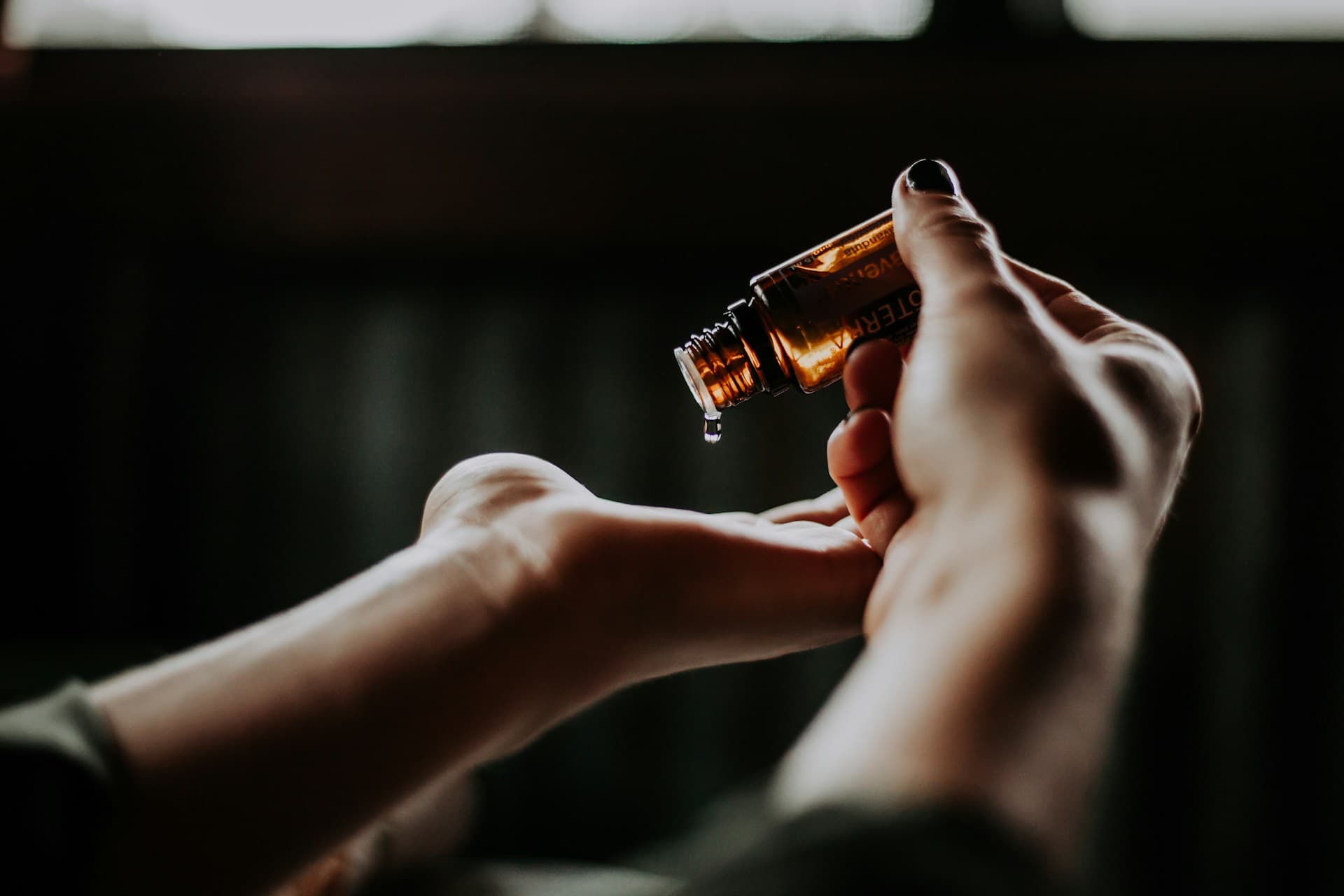
Before you get on the table, the therapist lays out a tray of small amber bottles and offers you a sniff — a drop on the inside of your wrist, held out in front of you before any of it reaches your skin. This is your call, made plainly:
- "May I smell the oil before you use it on my skin?"
- "I don't like lavender — could we use sweet orange instead?"
- "I'd prefer plain, unscented oil today."
- "Please stop, this scent is too strong for me."
A good therapist will happily adjust. Lavender is the usual choice for relaxation, sweet orange or bergamot to lift a mood, eucalyptus or peppermint for a crisp clearing sensation. They're always thinned in a carrier oil to about one or two percent — pure essential oil is far too strong to put on bare skin — and chosen by the therapist from traditional practice and spa training, not as a prescription for how you should feel. The word aromatherapy itself was coined by French chemist René-Maurice Gattefossé in the 1930s, while he was studying plant oils applied to the skin.
For more on reading a therapist and saying what you need, see choosing a massage therapist.
Who should avoid aromatherapy massage or check first?
This is general information, not medical advice. If you are unsure, ask your doctor.
Aromatherapy massage feels wonderful for many people, but certain health situations require caution.
If you have asthma, migraines, or severe scent sensitivities, a fragrant room can trigger symptoms before touch even begins. Strong smells can spark a headache, nausea, or breathing tightness. If you react to strong fragrances, ask for an unscented room and plain carrier oil.
Pregnancy requires careful attention to essential oils. Several common oils, such as wintergreen, camphor, and clary sage, are avoided during pregnancy because compounds like methyl salicylate and camphor may carry risks of toxicity or uterine stimulation. Research on essential oil safety during pregnancy is very limited. If you are pregnant, book a specialized prenatal massage and consult your doctor or midwife before using any scented oils.
If you have sensitive skin, eczema, or allergies, essential oils can cause contact dermatitis or redness, especially if under-diluted. You can ask the therapist for a patch test on a small spot of your inner arm before the massage.
Cold-pressed citrus oils, including bergamot and lime, make skin sensitive to sunlight. Avoid sun exposure or tanning beds for 24 hours after receiving citrus oils on your skin.
For the general safety picture — fever, blood clots, open skin wounds — When you should not have a massage covers it.
What should you do if something feels uncomfortable?
If your skin begins to itch, sting, or burn during the session, tell your therapist immediately. Speak up plainly: "The oil is burning my skin, please wipe it off."
Your therapist will pause, use clean damp towels to remove the scented oil, and continue with plain carrier oil. Speaking up is completely normal and protects your skin. It is never taken as an insult.
If the fragrance makes you feel nauseated, dizzy, or short of breath, ask the therapist to remove the scented tissue and open a door. You have full permission to adjust or stop the session at any moment.
If a delayed skin rash or itching appears a few hours after your appointment, wash the area gently with mild soap and warm water. If you experience severe swelling or difficulty breathing, seek medical care right away. If things do go sideways, When a massage goes wrong explains how spas handle it.
After your session, drink water and allow yourself time to relax. The plant oils continue to soften your skin as you head home. And when you're ready to think about how often to come back, How often should you get a massage lays out the thinking.
How aromatherapy compares to other massage types
Aromatherapy sits on most spa menus alongside several classic treatments, and the right one comes down to what you're after.
If what you want is pure touch with none of the scent, Swedish massage uses the same smooth, flowing strokes aromatherapy borrows, just with plain unscented oil. When a body wants more than surface relief, deep tissue massage goes slower and firmer, working into the deep layers of muscle and connective tissue — pressure aromatherapy never reaches. Hot stone adds its own layer on top: smooth basalt stones warmed along the back and shoulders, radiant heat sinking into tight muscles before the therapist's hands even begin.
If the scent suits you, it's the same reassuring hands-on massage you'd get any other way, only with a scent added. If it doesn't, ask for plain oil and you'll have the identical hour for less. Either way, you've earned the hour — now go have it.
Sharing Services
Pick the one you like.

Researched & Written by afinika
CEO @ Welleta.com
Fluffy leta
Services
- aromatherapy